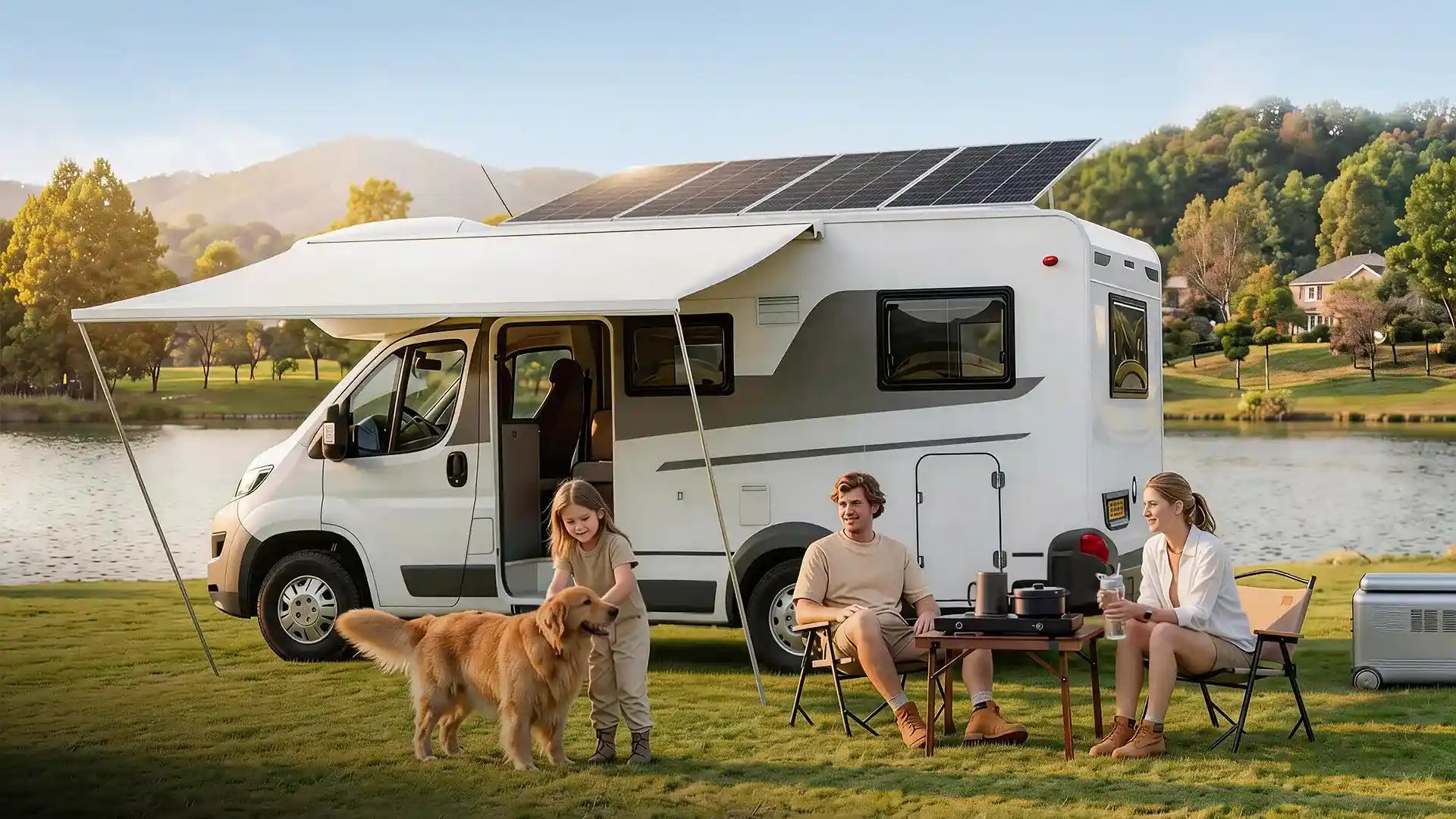

When it comes to harnessing the power of the sun, choosing the right type of solar panel is crucial. While both portable and rigid solar panels serve the same purpose—converting sunlight into electricity—their efficiency, durability, and real-world performance can differ significantly. In this article, we’ll dive deep into the key differences between these two types of panels, focusing on efficiency, temperature coefficients, installation methods, lifespan, and the ideal usage scenarios for each.
Efficiency Differences: Portable vs Rigid
The efficiency of a solar panel refers to how effectively it can convert sunlight into usable electricity. When it comes to portable solar panels vs rigid solar panels, rigid panels tend to outperform portable panels in terms of efficiency.
Rigid Solar Panels:
Rigid solar panels are typically made of high-quality materials that provide greater energy conversion efficiency. These panels are designed for long-term installations and are optimized for maximum performance. They usually have an efficiency rating of 20-26% depending on the technology used. These higher efficiency rates make rigid panels ideal for applications that require a steady and reliable energy supply, such as off-grid homes or RV systems.
Portable Solar Panels:
Portable solar panels, on the other hand, tend to have a lower efficiency compared to rigid panels. The main reason for this is their design, which prioritizes flexibility, lightweight materials, and compactness. These panels are also more vulnerable to performance losses due to angle adjustments, folding mechanisms, and the quality of materials used. Most portable panels have an efficiency rating between 15-20%. While they may not produce as much power as their rigid counterparts, they still offer sufficient energy for short-term, low-demand applications, such as camping or tailgating.
Key Takeaway:
Rigid panels are more efficient and better suited for long-term energy needs.
Portable panels offer lower efficiency but are ideal for temporary, lightweight solutions.
Usage and Installation: Flexibility vs Stability
Another critical difference between portable and rigid solar panels lies in how they are used and installed.
Portable Solar Panels:
Portable solar panels are all about mobility and temporary setups. They are designed for people who need a quick, easy, and flexible energy solution without permanent installation. Whether you're camping, tailgating, or using them in a remote cabin, portable solar panels can be set up and taken down with minimal effort. They are usually foldable or come in compact designs, allowing users to move them around based on sunlight availability or reposition them for better performance.
Rigid Solar Panels:
Rigid solar panels, on the other hand, are intended for permanent or semi-permanent installations. They are typically fixed to a roof or structure using mounts, making them perfect for off-grid homes or RV roofs. Rigid panels are designed to work year-round, often integrated into larger energy systems that require a steady, continuous power supply. They are typically more stable and can withstand harsher weather conditions, providing long-term, reliable power.
Key Takeaway:
Portable panels are perfect for temporary setups and flexible energy needs.
Rigid panels are designed for long-term, fixed installations, offering stability and higher power output.
Durability and Lifespan: Which Will Last Longer?
Durability is a key consideration when investing in solar panels. After all, you want your solar investment to last for years to come, especially if you are relying on them for critical functions like powering your home or RV.
Rigid Solar Panels:
Rigid panels are built to withstand the elements. They are typically encased in tough aluminum frames and are engineered for durability. These panels can handle extreme weather conditions, including high winds, snow, and rain. This makes them ideal for year-round outdoor use in both home energy systems and RV applications. Additionally, rigid panels tend to have a longer lifespan, often ranging from 25 to 30 years, which is a significant advantage for anyone looking for a lasting energy solution.
Portable Solar Panels:
While portable solar panels are generally durable, they are not built to withstand the same level of harsh conditions as rigid panels. These panels are often exposed to more wear and tear due to their frequent handling and movement. Portability comes at the cost of increased risk of scratches, dents, and surface damage, and their lifespan is generally shorter—usually around 5 to 10 years depending on the quality of the materials used.
Key Takeaway:
Rigid panels have a longer lifespan and can withstand tougher conditions.
Portable panels are less durable and have a shorter lifespan but are ideal for short-term, lower-stress applications.
System Role: Core Power Generation vs Supplementary Energy
Perhaps the most important distinction between portable and rigid solar panels is their role in the overall energy system.
Portable Solar Panels:
Portable solar panels are primarily designed as supplementary power sources. They are ideal for short-term applications where you need to top up a battery or power a few low-demand devices. For example, they’re great for camping, tailgating, or providing a temporary power boost to off-grid cabins. However, they should not be relied on as the main power source for long-term systems.
Rigid Solar Panels:
Rigid panels, by contrast, serve as the core power generation system. They are designed to be part of a larger solar setup that powers an entire home, RV, or other energy-dependent systems. These panels can generate consistent, high-level power over extended periods, making them ideal for off-grid living or as backup systems for homes during power outages.
Key Takeaway:
Portable panels are meant to supplement energy in temporary or recreational scenarios.
Rigid panels form the backbone of a permanent or long-term energy solution.
Typical Scenario Matching: Which Solar Panel is Right for You?
The table below summarizes which type of panel is best suited for different real-world scenarios:
| Scenario | Recommended Type |
|---|---|
| RV long-term use | Rigid panels |
| Weekend camping | Portable panels |
| Tailgating | Rigid panels |
| Home backup power | Rigid panels |
| Off-grid cabin | Rigid panels |
Key Takeaway:
Portable panels are perfect for short-term recreational use like camping or tailgating.
Rigid panels are best for long-term installations like RVs, homes, and off-grid cabins.
Conclusion: Which Is Better for You?
The choice between portable solar panels and rigid solar panels ultimately depends on your specific needs. If you're looking for a reliable, long-term energy solution for a home, RV, or off-grid cabin, rigid panels are the clear choice. However, if you need a flexible, easy-to-use power source for short-term applications like camping, portable panels will be more than enough.
No matter which type you choose, both portable and rigid solar panels play a crucial role in harnessing solar energy. Understanding their differences will help you make the most informed decision based on your energy needs