
Your Home Depends on Power — But the Grid Can’t Guarantee It

Every modern home runs on electricity.
Heating, cooling, refrigeration, security systems, medical devices, internet — when power stops, everything stops.

And today, power interruptions are no longer “rare events”.

solar solutions for disaster jjn solar panels

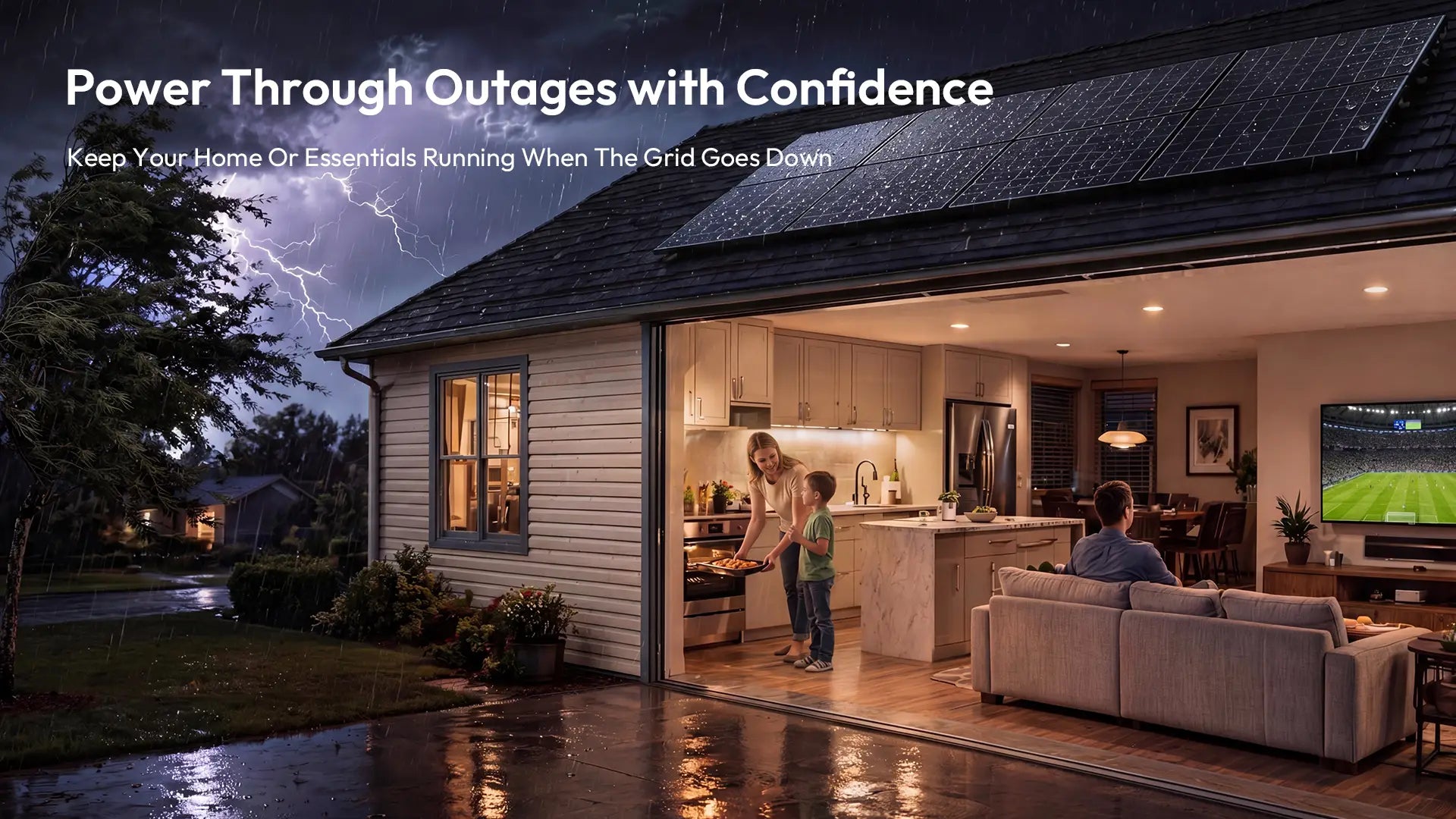
Extreme Weather Exposes the Weakest Link: the Grid

Storms are stronger. Heatwaves last longer. Winters are more unpredictable. When extreme weather hits, overloaded power lines, substations, and transformers fail first. A few hours without power can quickly turn into days — putting comfort, safety, and even food security at risk.

The question is no longer if outages happen — but when.

household out of power jjn solar panels
solar solutions for disaster jjn solar panels

Grid Outages Happen Without Warning

Most power outages don’t come with advance notice. One moment your home is functioning normally — the next, lights go out, HVAC shuts down, Wi-Fi disappears, and appliances stop mid-cycle.

No backup power means:
1. No heating or cooling during extreme temperatures
2. Spoiled food and damaged electronics
3. Disrupted work-from-home and home security systems
4. During widespread outages, restoration can take days.

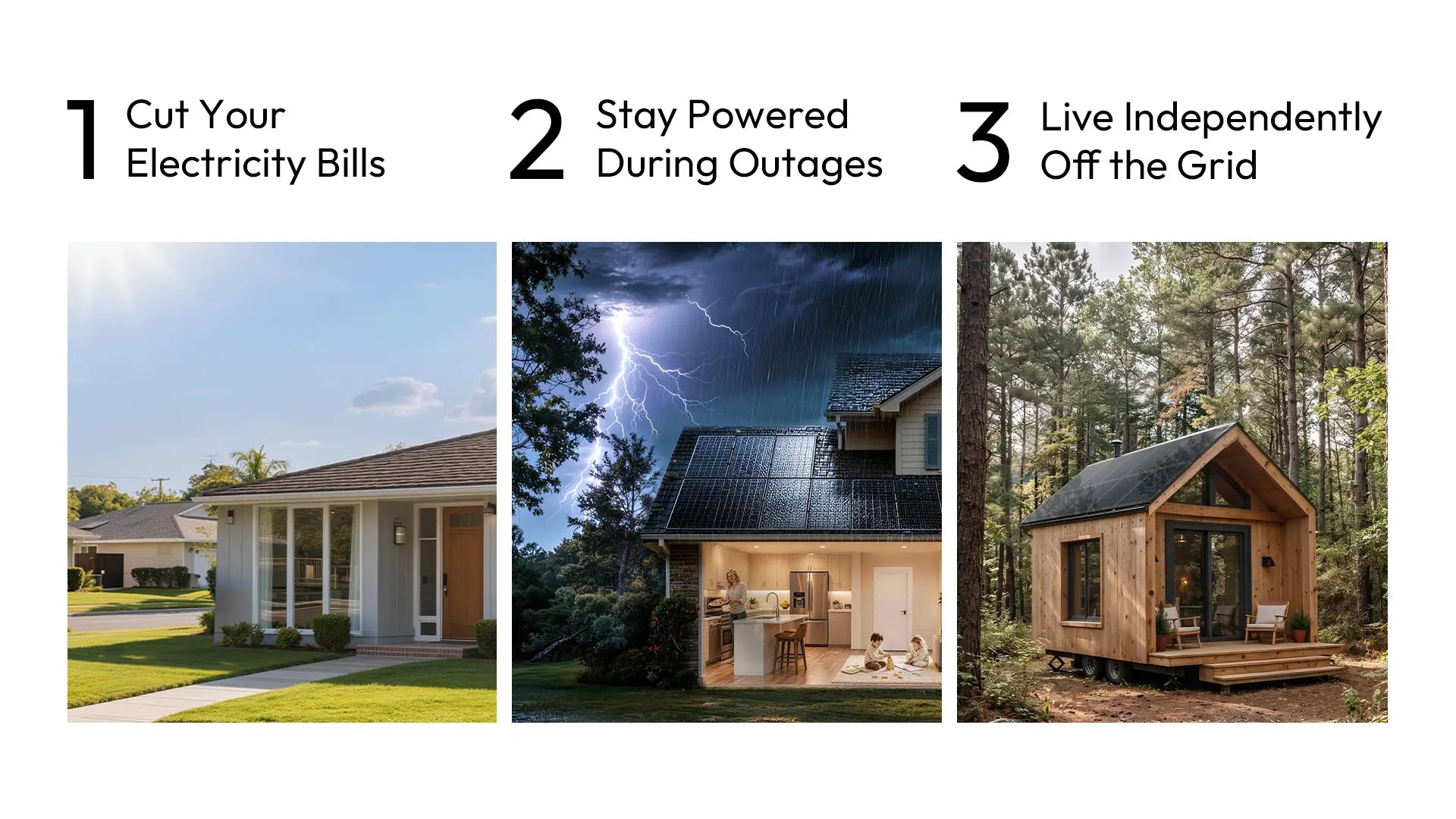
jjn solar panels save your money
jjn solar panel save your money

You Pay More Every Year and Have No Control

Utility rates continue to rise. Peak pricing, seasonal demand charges, and infrastructure costs are passed directly to homeowners.

Even if you use less power, you still pay more — because you don’t control the source.
Staying on the grid means accepting unpredictable bills, year after year.

The Cost of Doing Nothing Keeps Increasing

No backup.
No price protection.
No control.

Every year without an energy solution is another year exposed to outages, rising costs, and uncertainty.

A Residential Solar Power Solution Changes Everything

A properly designed residential solar system gives your home the ability to generate its own power — reducing grid dependence and increasing resilience.

Paired with energy storage, solar can:
Keep essential loads running during outages
Protect your home from rising electricity rates
Provide stable, predictable energy for daily life


This isn’t just about saving money.
It’s about control, security, and independence.

Take Control with Residential Solar Power

A residential solar power solution reduces your dependence on the grid by generating clean, reliable energy right where you live. Even during outages, a properly designed system can keep essential loads running and protect your home from unexpected disruptions.

Stability, Savings, and Peace of Mind

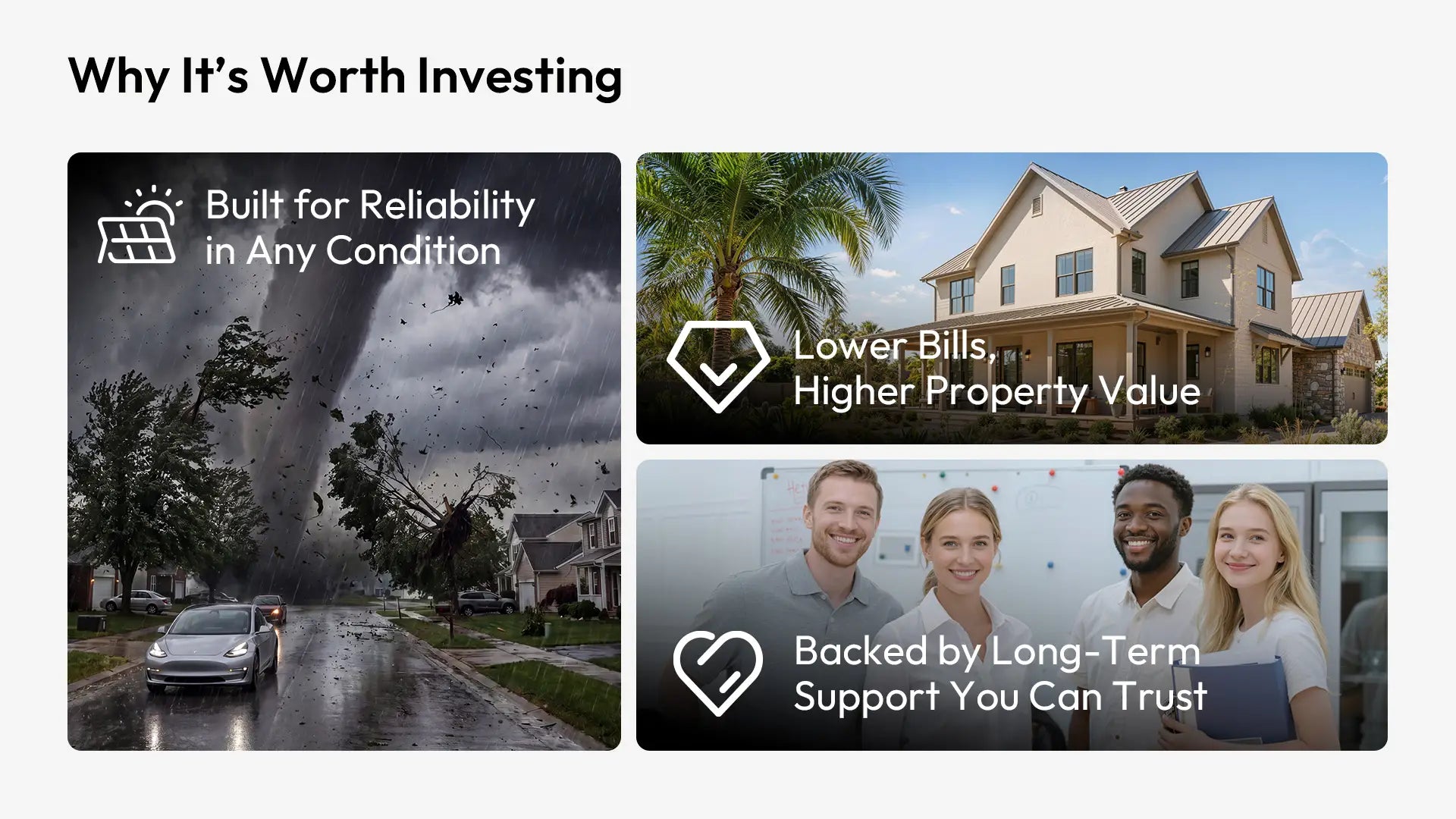
By producing your own power, you lock in long-term energy costs, lower monthly utility bills, and gain protection against outages and extreme weather. Solar isn’t just an energy choice — it’s a resilience upgrade for your home.

Solar Adds Lasting Value to Your Property

Homes with solar power systems are more attractive to buyers, often sell faster, and retain higher long-term value. A solar-equipped home isn’t just powered — it’s future-ready.

Take Control Before the Next Outage Does

Waiting doesn’t reduce risk — it increases it.
A residential solar power solution puts the power back where it belongs: in your home.

Generate your own energy.
Protect your family.
Increase your home’s value.

Key Assumptions and Baseline Data

jjn solar system daily efficiency

Average Daily Electricity Consumption

1 person household: ~13 kWh/day(based on 400 kWh/month)
2 people household: ~25 kWh/day(based on 750 kWh/month)
3 people household: ~40 kWh/day(based on 1,200 kWh/month)

jjn solar system efficiency usa

Peak Sun Hours

5 hours per day


Data reflects average across most U.S. regions, accounting for seasonal variations.

jjn solar system efficiency

System Efficiency

~80%

This reflects real-world conditions, including inverter conversion losses, ambient temperature, partial shading, dust accumulation, and other derating factors.

Required Solar System Capacity Calculation

1 person household: Required Capacity = 13.33 kWh / (5 hours × 0.8) = 3.33 kW

2 people household: Required Capacity = 25 kWh / (5 hours × 0.8) = 6.25 kW

3 people household: Required Capacity = 40 kWh / (5 hours × 0.8) = 10 kW

Recommended Capacity > Calculated Capacity

Recommended Capacity

To ensure reliable power year-round, our recommended system capacity is slightly larger than the basic calculated need. This extra margin accounts for seasonal swings in sunlight, real-world efficiency losses (inverter, heat, dust, shading), and any future increases in household demand — so you stay powered and save more over time.

1 person household: Recommended Capacity: 3.5 kW
2 people household: Recommended Capacity: 6.5 kW
3 people household: Recommended Capacity: 11 kW

If your household has multiple members or your energy needs are complex, contact us.
Our engineers will calculate the exact power requirements for your home.

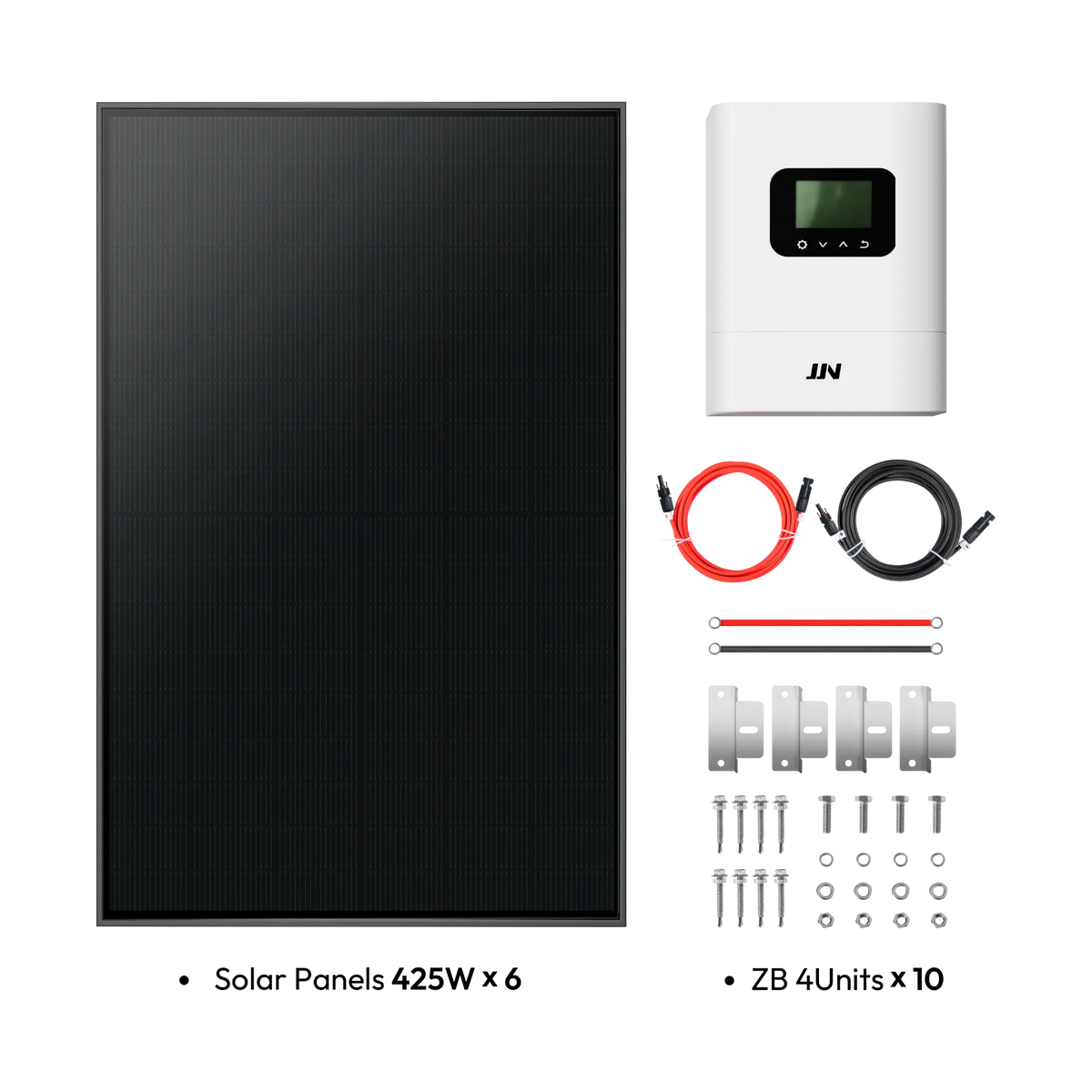
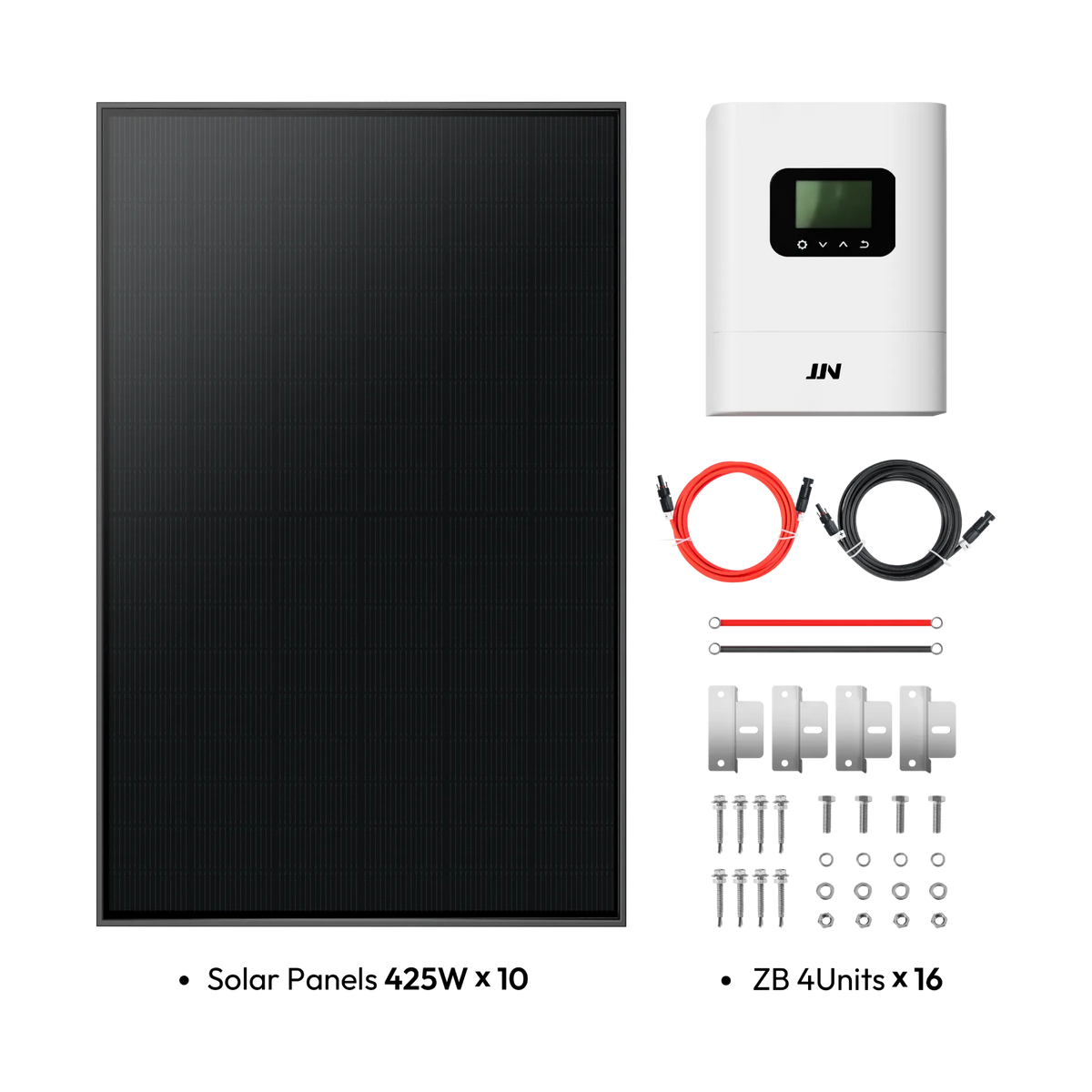
400w N-type solar panels

400W N-type Bifacial Solar Panel

1-person household:
Required system size: 3.5 kW
Calculation: 3,500 W ÷ 400 W ≈ 8.75 → 9 panels (rounded up to ensure adequate energy production)

2-person household:
Required system size: 6.5 kW
Calculation: 6,500 W ÷ 400 W ≈ 16.25 → 17 panels (rounded up for reliable output)

3-person household:
Required system size: 11 kW
Calculation: 11,000 W ÷ 400 W ≈ 27.5 → 28 panels (rounded up to provide sufficient capacity)

Learn More
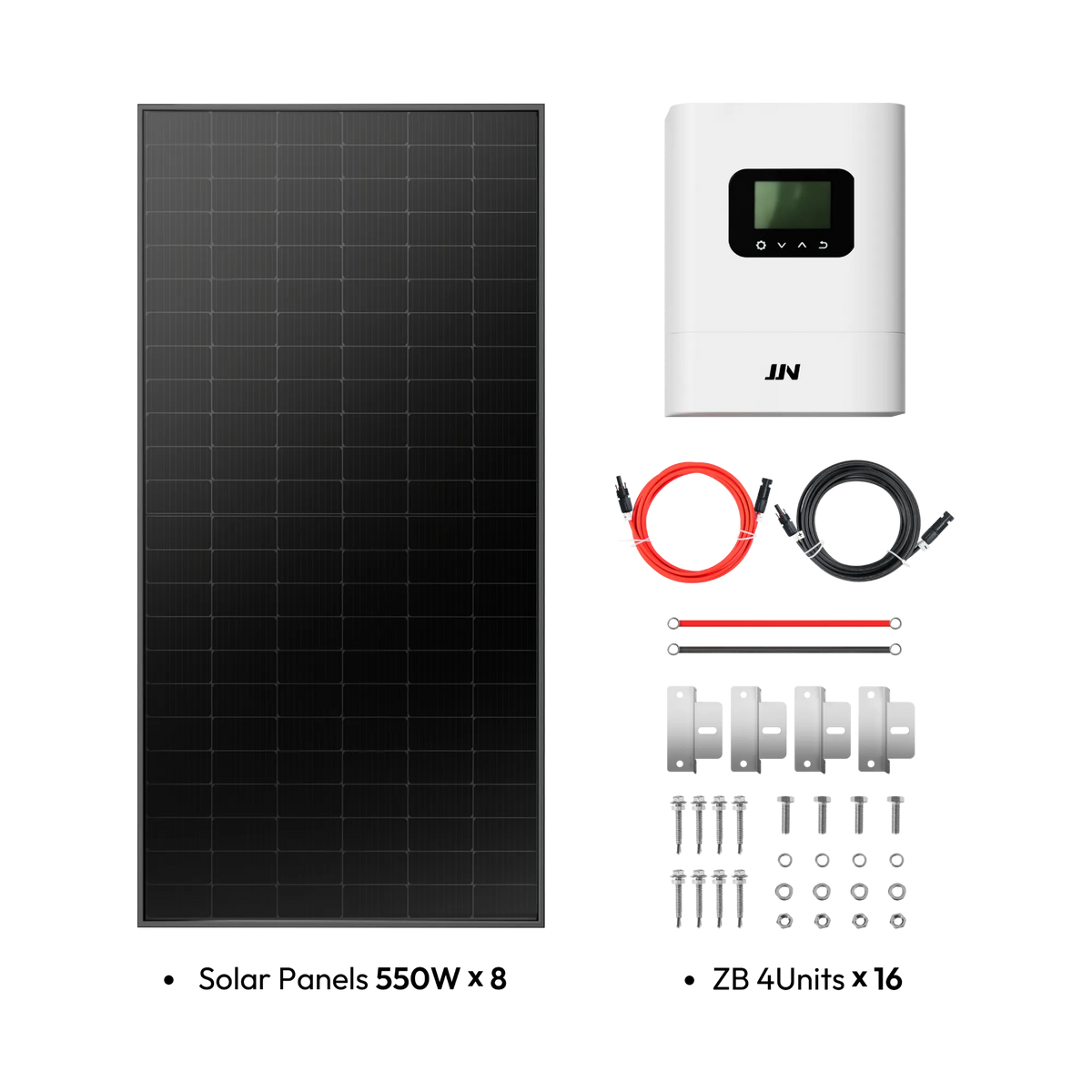
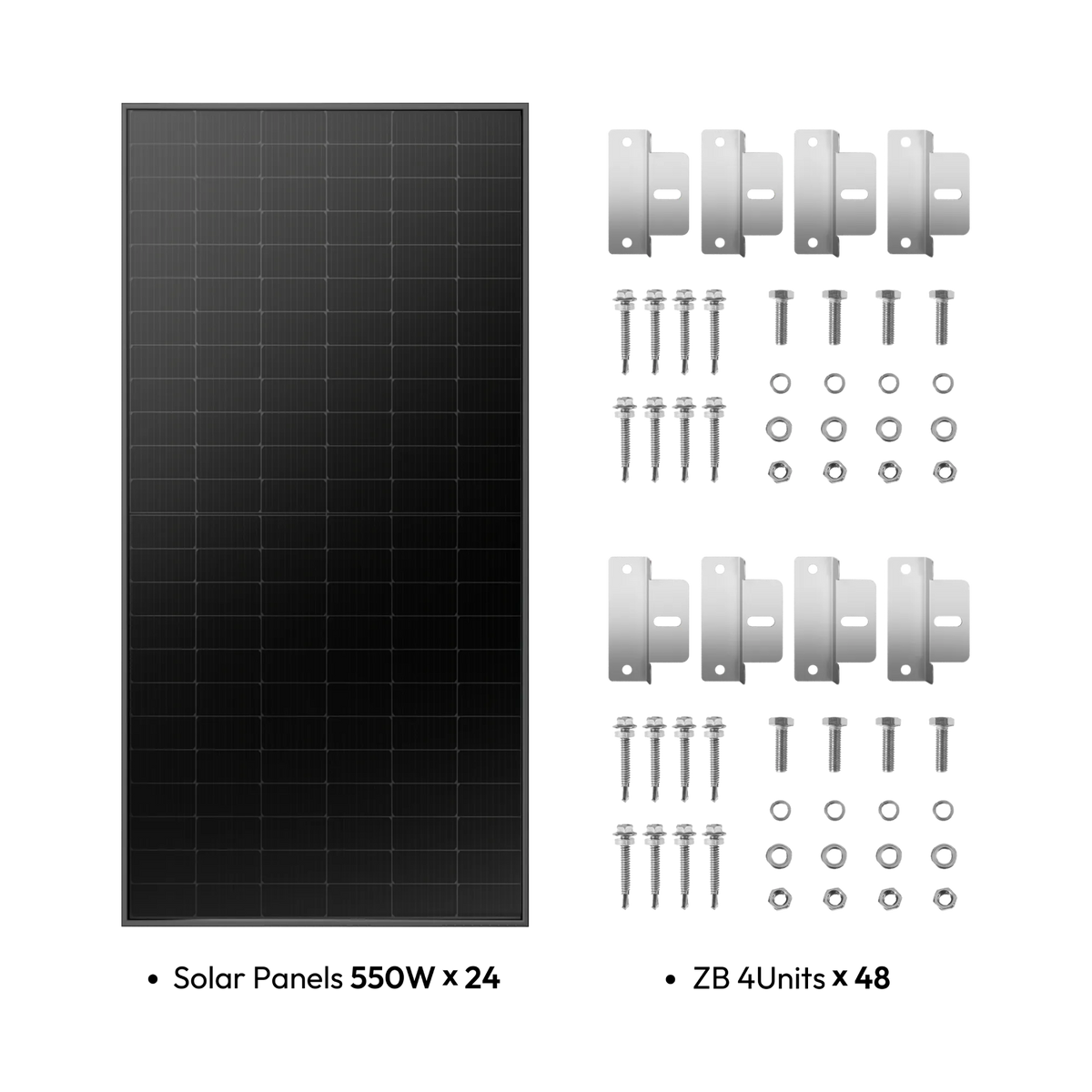
550w solar panels

550w Bifacial Solar Panels

1-person household:
Required system size: 3.5 kW
Calculation: 3,500 W ÷ 550 W ≈ 6.36 → 7 panels (rounded up to ensure adequate energy production)

2-person household:
Required system size: 6.5 kW
Calculation: 6,500 W ÷ 550 W ≈ 11.82 → 12 panels (rounded up for reliable output)

3-person household:
Required system size: 11 kW
Calculation: 11,000 W ÷ 550 W = 20 → 20 panels (rounded up to provide sufficient capacity)

Learn More

Critical Considerations Before You Buy

Before purchasing a solar system, it’s important to understand the following factors that can impact system performance, cost, and long-term value:

Geographic Variability

Peak sun hours vary significantly across the U.S.—typically around 4 hours per day in northern states and up to 6 hours per day in the Southwest. Location plays a key role in system sizing and expected output.

Home-Specific Energy Needs

Larger homes or villas often have higher electricity demand due to heating and cooling systems, appliances, pool pumps, or EV charging. A detailed energy assessment is recommended to ensure accurate system sizing.

Storage & Grid Connectivity

To maintain power at night or during cloudy days, battery storage is recommended. Grid-tied systems can also take advantage of net metering, allowing excess solar energy to be sent back to the grid for credits.

Regulations & Incentives

Solar policies vary by state. For example, California requires solar installations on many new homes. In addition, the U.S. federal solar tax credit (ITC) covers 30% of system costs, and state or local incentives may further reduce upfront expenses.

Recommended System Size

A 3.5 kW solar system is typically sufficient for a single-person villa household under average U.S. conditions, with the option to expand capacity in the future as energy needs grow.

Key System Components

1.Grid-tied inverter (string inverter or microinverters)
2.Optional battery storage for backup and energy independence
3.Monitoring system for real-time performance tracking

Next Steps

Consult a qualified solar provider for a site-specific evaluation, including roof orientation, shading analysis, and local regulatory requirements, to ensure optimal system performance.

This solution is designed to provide reliable energy generation for a single-person villa household in typical U.S. conditions, while allowing flexibility for future upgrades and optimization.

FAQs

What does off-grid and on-grid mean?

On-grid simply means solar-powered equipment (array or solar panel) is connected to the electrical grid, while off-grid refers to systems that are not connected to the grid and therefore store the generated power for later use. Off-grid systems are not affected by grid blackouts.

Can I customize the kit to meet my specific requirements?

Yes, the JJN Solar Kit offers customization options. You can add or remove solar panels, batteries, and other components based on your power requirements. JJN Solar provides additional accessories to expand or modify your system as needed.

Can I install the JJN Solar Kit myself?

Yes, the kit is designed for DIY installation. However, it's important to have basic knowledge of electrical systems and safety protocols. Review the provided installation manuals, follow local electrical codes, and take necessary precautions when setting up the solar panels, inverter, and batteries. If unsure, consult with a professional electrician.

Will this solar power my AC unit?

In order to determine what size of solar kit is appropriate to power an AC unit, you must first define the total load to be expected of the solar-powered system. Most manufacturers will publish a specification sheet of the AC unit online and will include a nameplate sticker on the AC body. Both can be used to determine the actual power rating of the AC. BTU is a common measuring unit for energy in AC and water heater products, but the important unit of measure is the energy rate, or simply power. Power will be listed in watts, and can be used to determine the total load resulting from running the intended AC unit. Multiply the power rating recorded in watts by the total number of hours of operation intended, to obtain the total watt-hours. Divide the total watt-hours by the peak sun hours in the location of installation, and multiply by a safety factor of 1.5-2, to obtain the total number of watts your panels should produce to power the air conditioner load. The total power load can be divided by the power output of one panel to obtain the number of panels needed.

Where can I find additional support and resources for installing and maintaining the JJN Solar Kit?

JJN Solar provides comprehensive installation manuals, guides, and technical support for their products. Visit the JJN website, access the online resources, or contact customer support for additional assistance throughout your DIY installation process.

Didn’t find your answer?

Don't hestitate to contact us

Why Shop on JJN Store

Secure Payment with 0% APR Intallments

30-Day Return and Refund Service

Lifetime Customer Support

Pay More Save More with Every Purchase