
Recommended Products
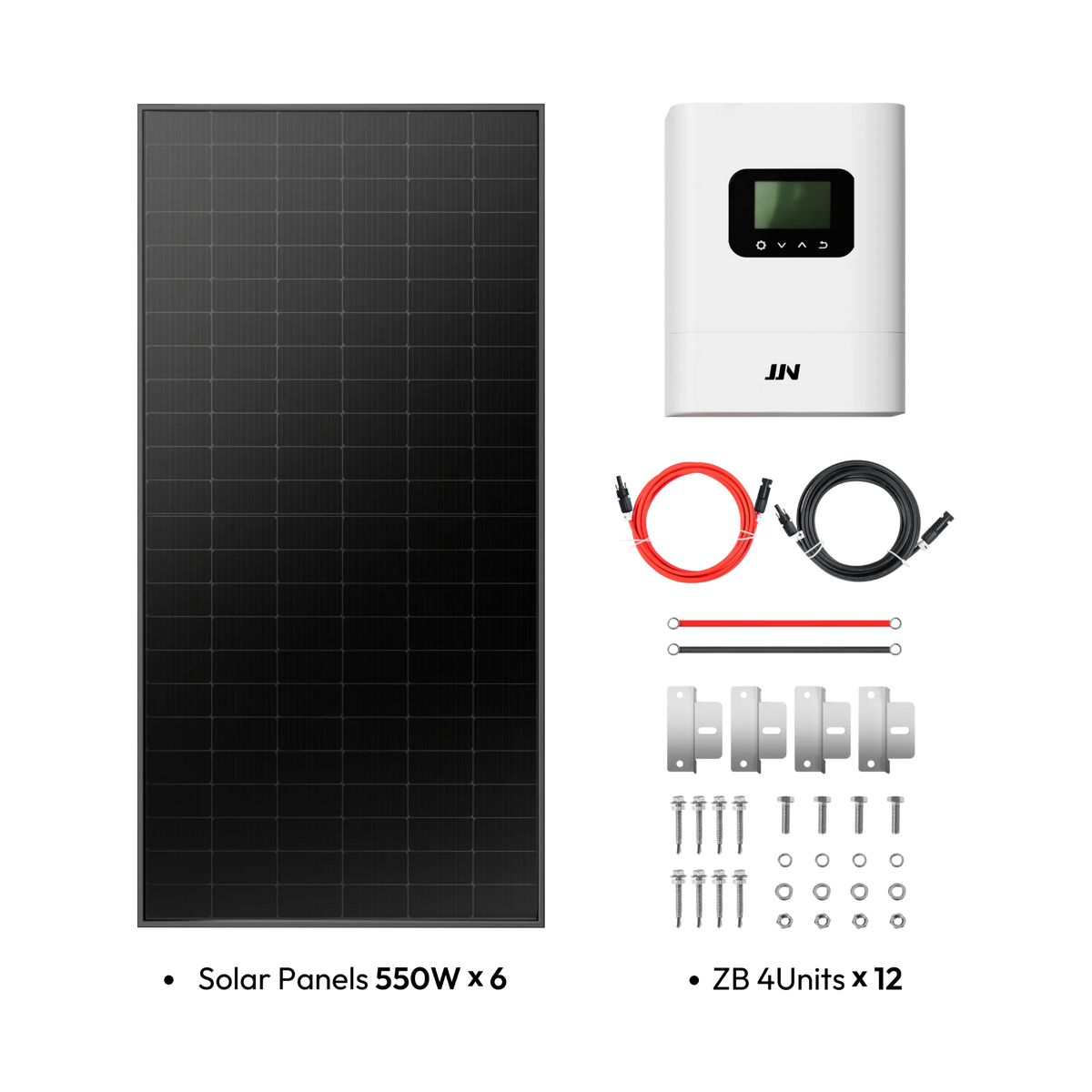
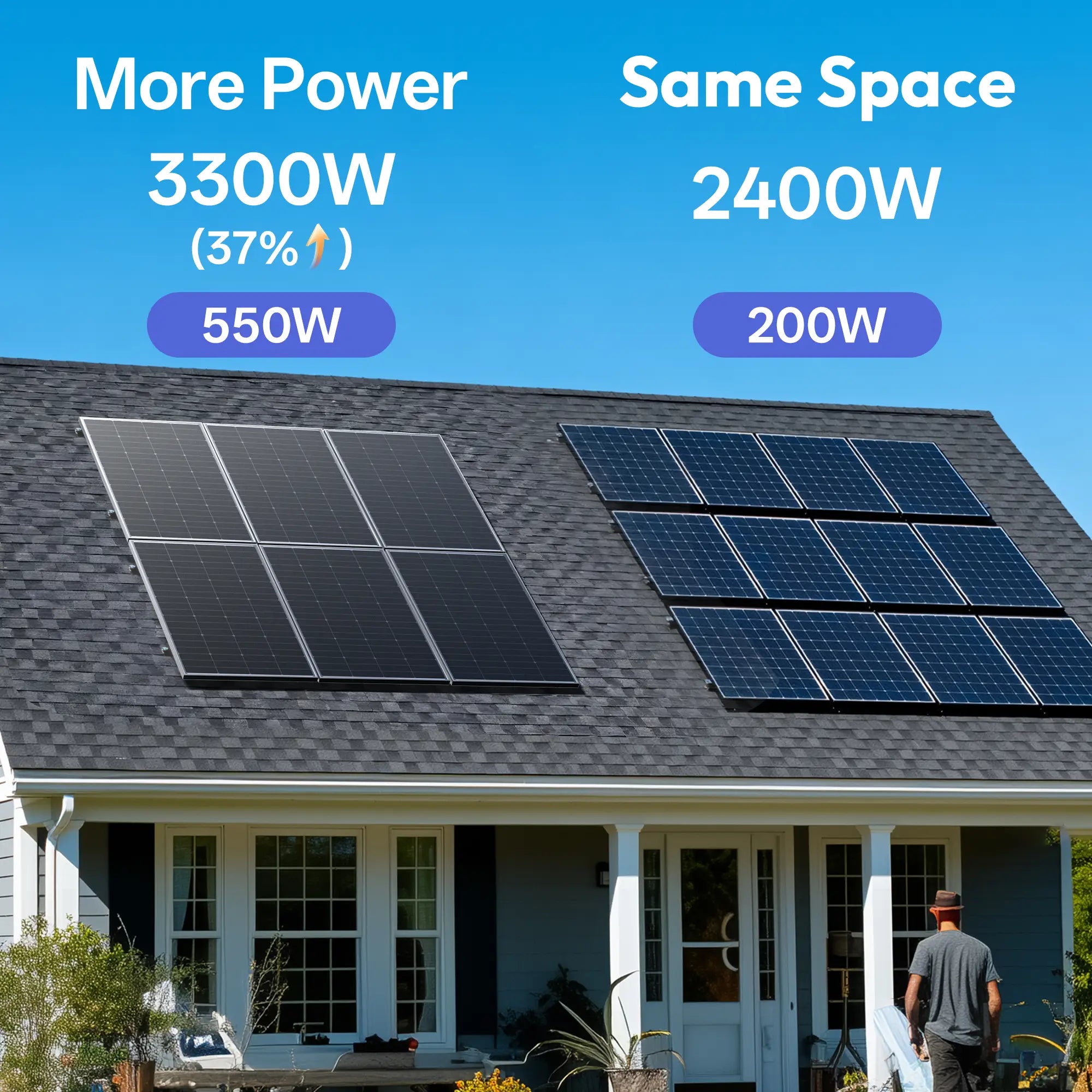


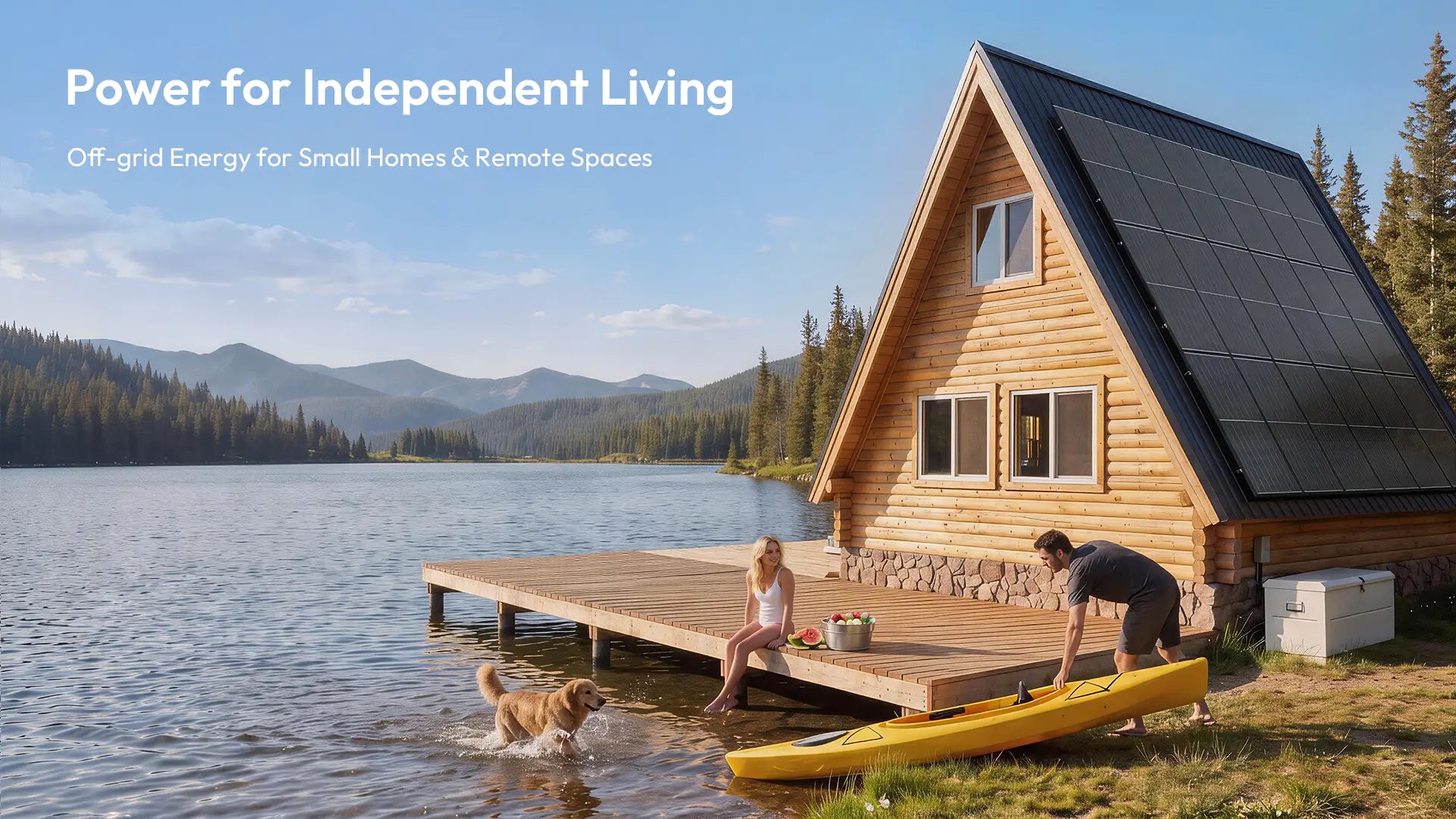
CabinCore 3.3kW Solar Kit for Cabins, Lake Houses & Vacation Homes
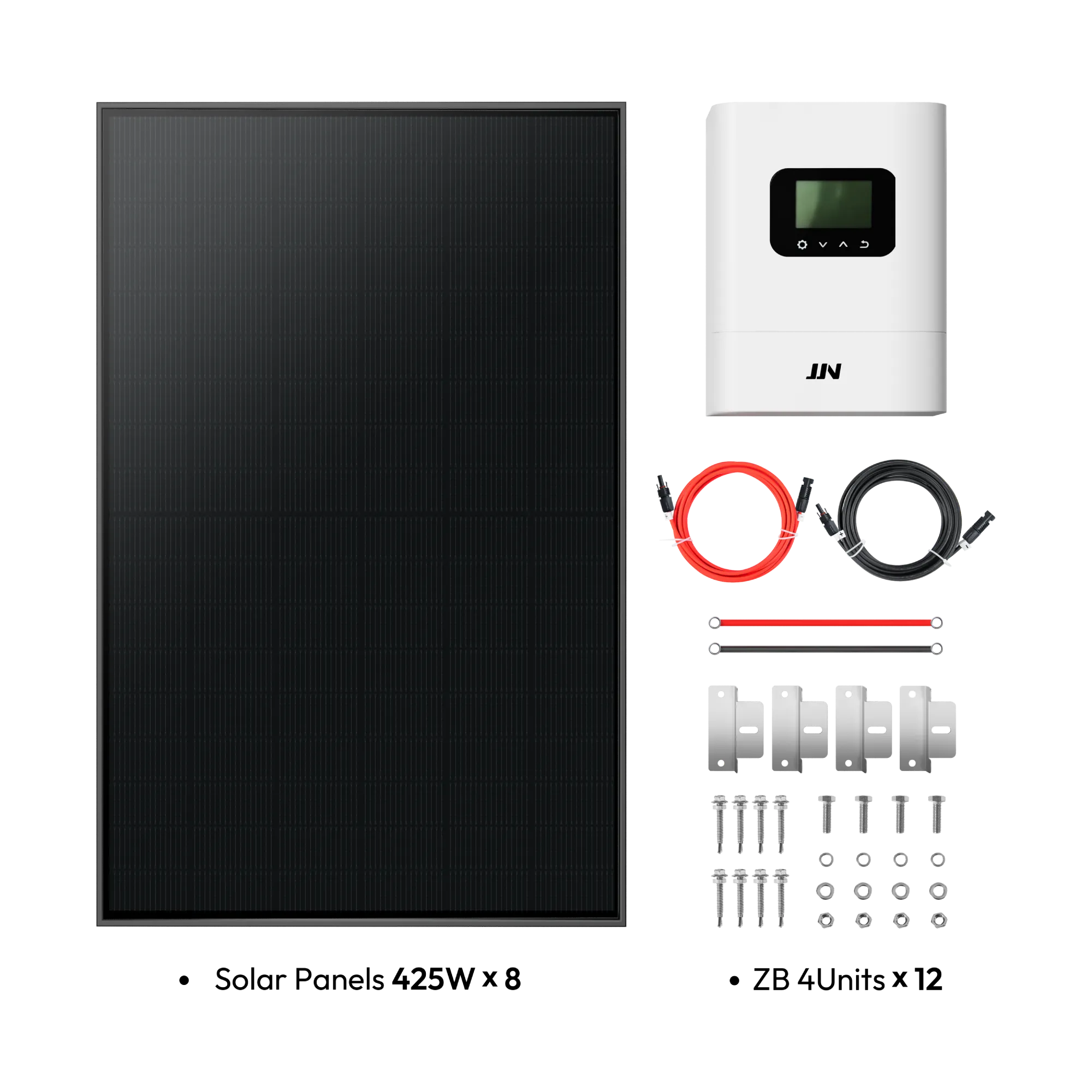
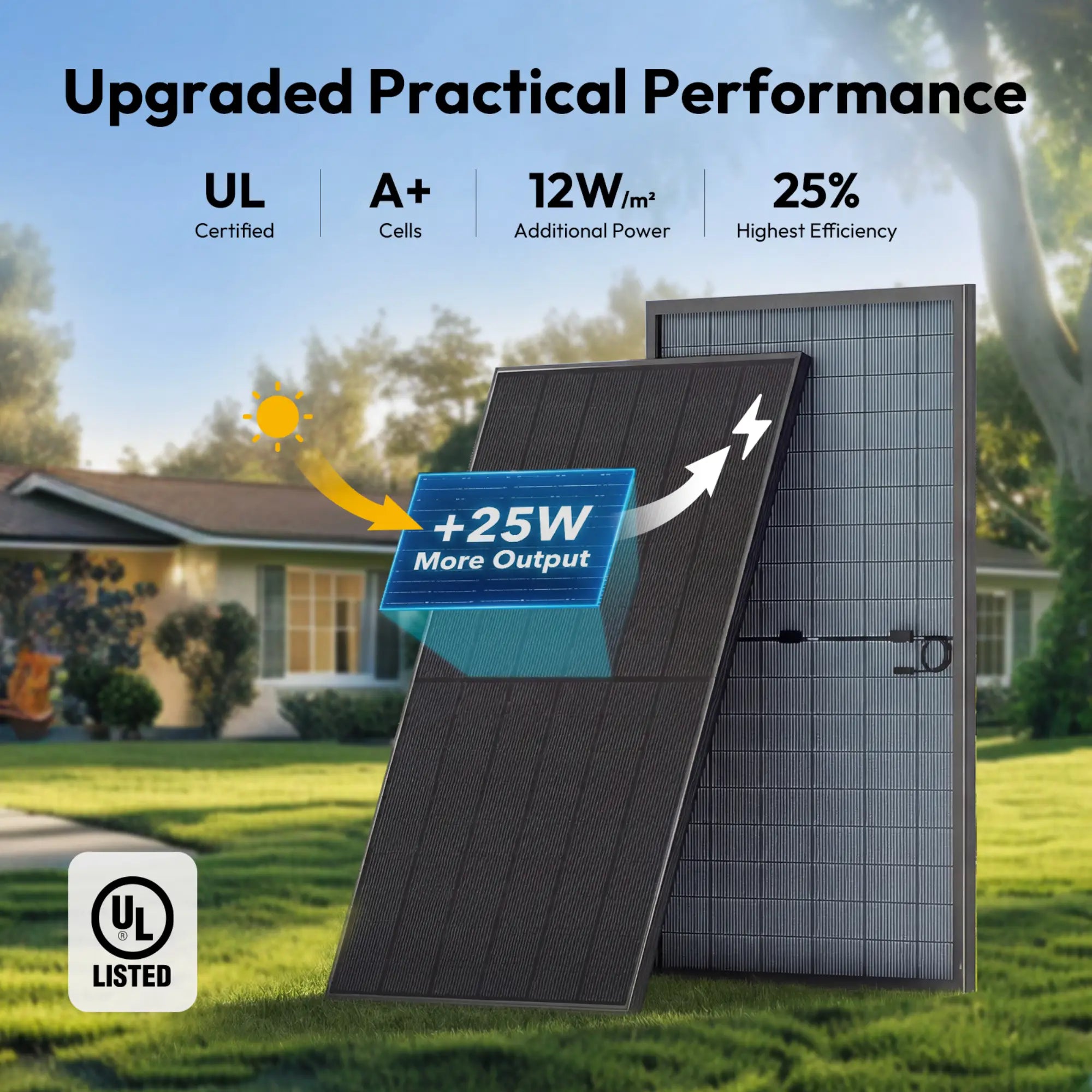


3.4kW Solar Carport Kit for Backyard Power & EV Charging
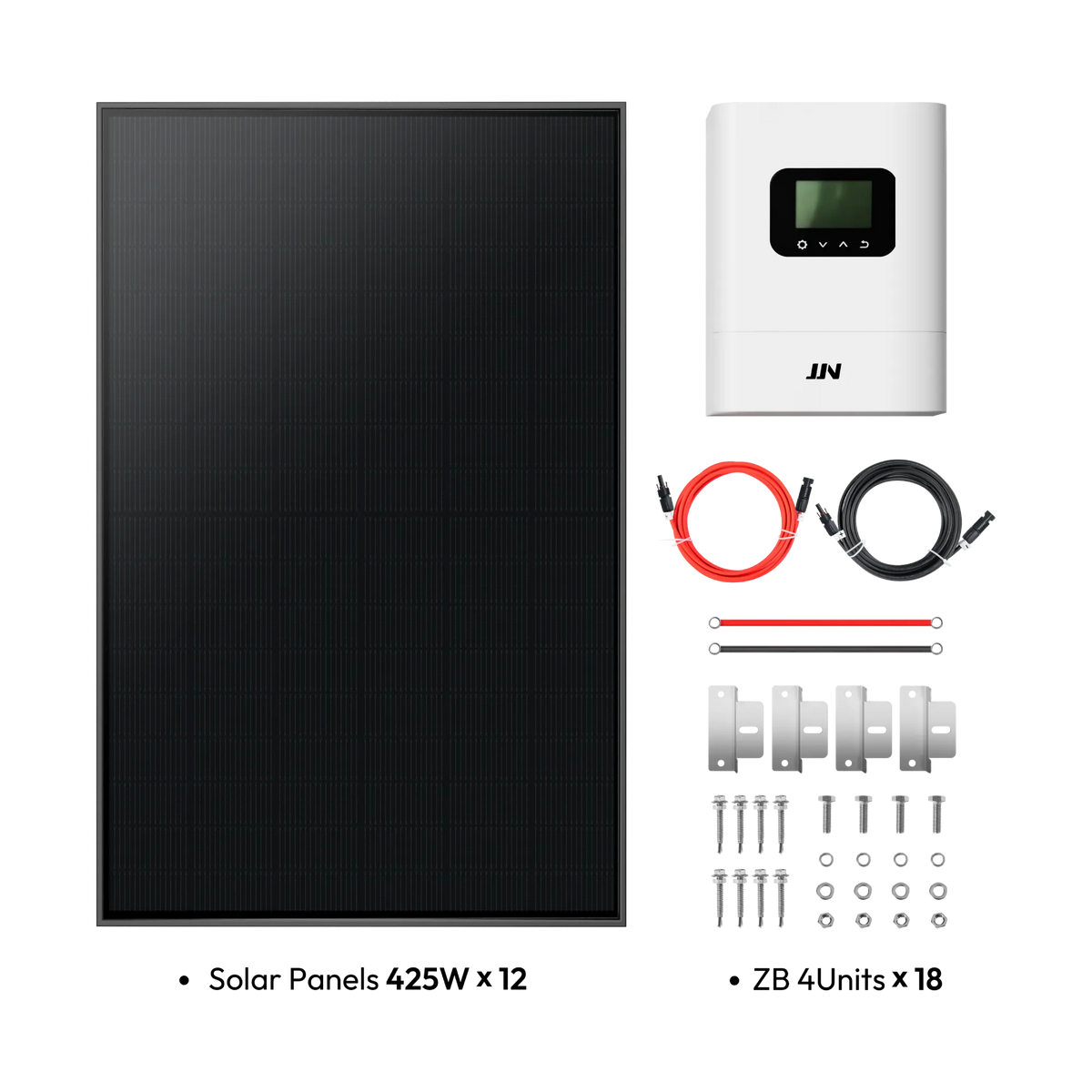
5.1kW Solar Carport Kit for Tiny Homes & 2-Car Parking
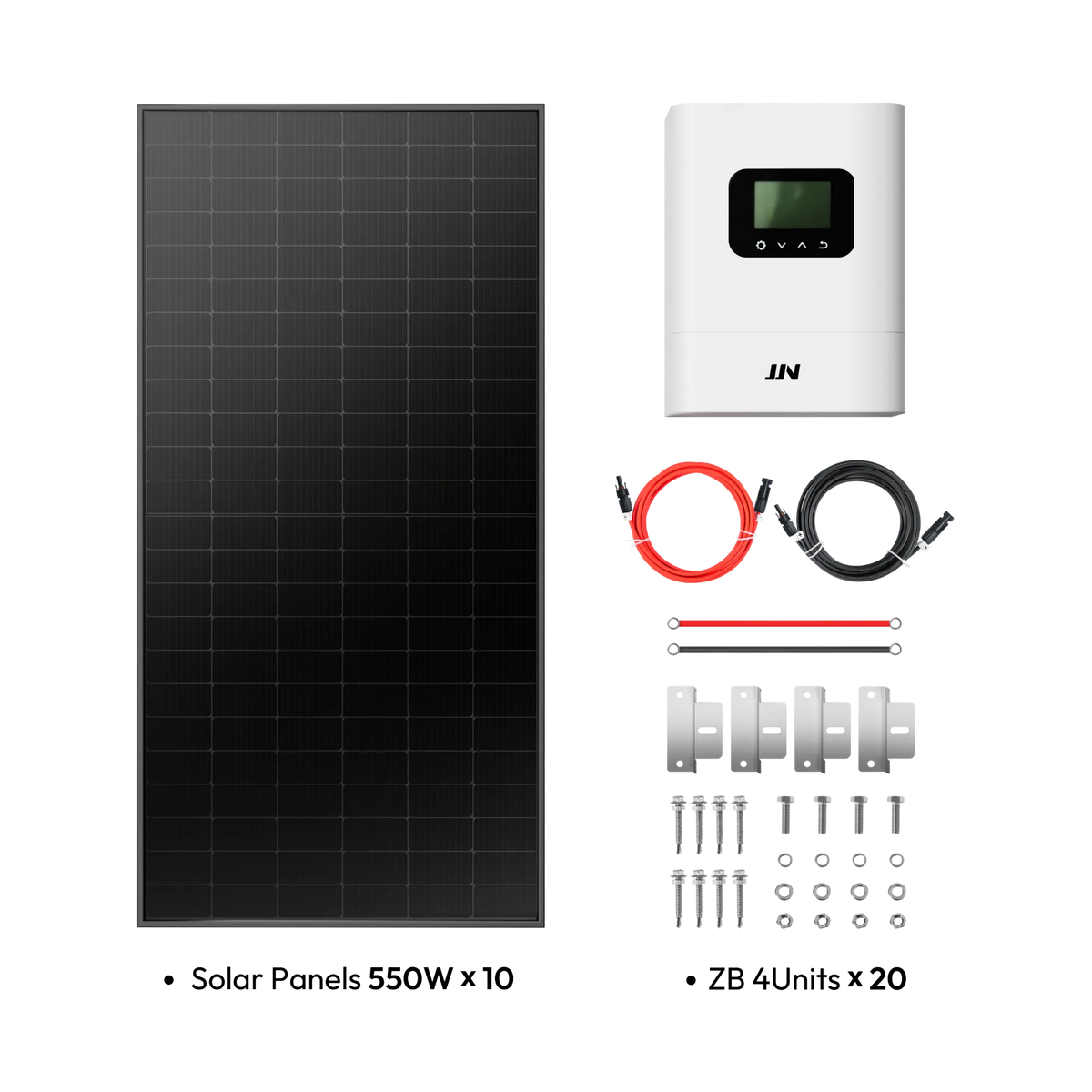
TinyHome 5.5kW Solar Kit for Tiny Homes, THOW & Airbnb Cabins
FAQs
What Is the Most Efficient Off-Grid Power Source?
For residential applications, solar power is by far the most efficient and affordable source of off-grid electricity. After your investment in solar panels and a portable power station exceeds what you’d spend on electricity, your power is essentially free. Solar panels offer decades of reliable service — with no fuel costs.
Is Off-Grid Living Worth It?
If you’re seeking to reduce your reliance on ageing infrastructure and achieve energy independence, living off-grid is the only way to do it. Thanks to generous tax credits and rapidly improving tech, switching to clean, reliable solar power for off-grid electricity has never been more affordable.
What Size Solar System Do I Need To Go Off-Grid?
The size of the off-grid solar power system is based on numerous factors, the most essential of which are your household electricity consumption and AC output needs, the average hours of peak sunlight in your location, available surface area for installation, and solar panel and portable power station efficiency.
How Much Electricity Does a Tiny House Use Per Month?
The electricity consumption of a tiny house varies widely based on numerous factors, such as the number of occupants, square footage, and the type of appliances and HVAC systems you want to operate. The average US household consumes 886kWh monthly, but your tiny home may require significantly less.
What Is the Cheapest Way to Power a Tiny House?
Depending on your electricity consumption needs, an investment in solar panels and a Power Kit may be the cheapest way to power your tiny home over the long term. The upfront investment is higher than gas or diesel, but there are no ongoing fuel costs or maintenance. And you probably qualify for a 30% tax credit!
Why should I customize my setup here?
This is a dedicated off-gird solution designed to save you time and effort. Every product is hand-matched for compatibility, so you can get everything in one click without endless searching.
If you only need a few items, you can also purchase individual products here. The more you buy, the more you save with tiered discounts.
What is the difference between a 12V and a 48V system?
The voltage refers to the battery bank's capacity. A 12V system has lower voltage but higher current, which is suitable for small setups. A 48V system has higher voltage and lower current, and experiences lower energy losses in the form of heat (due to reduced current flow), resulting in an overall more efficient system.
What is the difference between a normal home solar system and an off grid home solar system?
A normal home solar system is connected to the grid, allowing excess energy to be sent back to the utility. An off-grid solar system operates independently, requiring battery storage for power during periods without sunlight.
Can my system be expanded in the future?
Certainly! Yes, your solar system can be expanded in the future to meet increased energy needs. It is designed to allow for the addition of extra components, such as solar panels or batteries, whenever required, providing you with flexibility and adaptability as your energy requirements change over time.