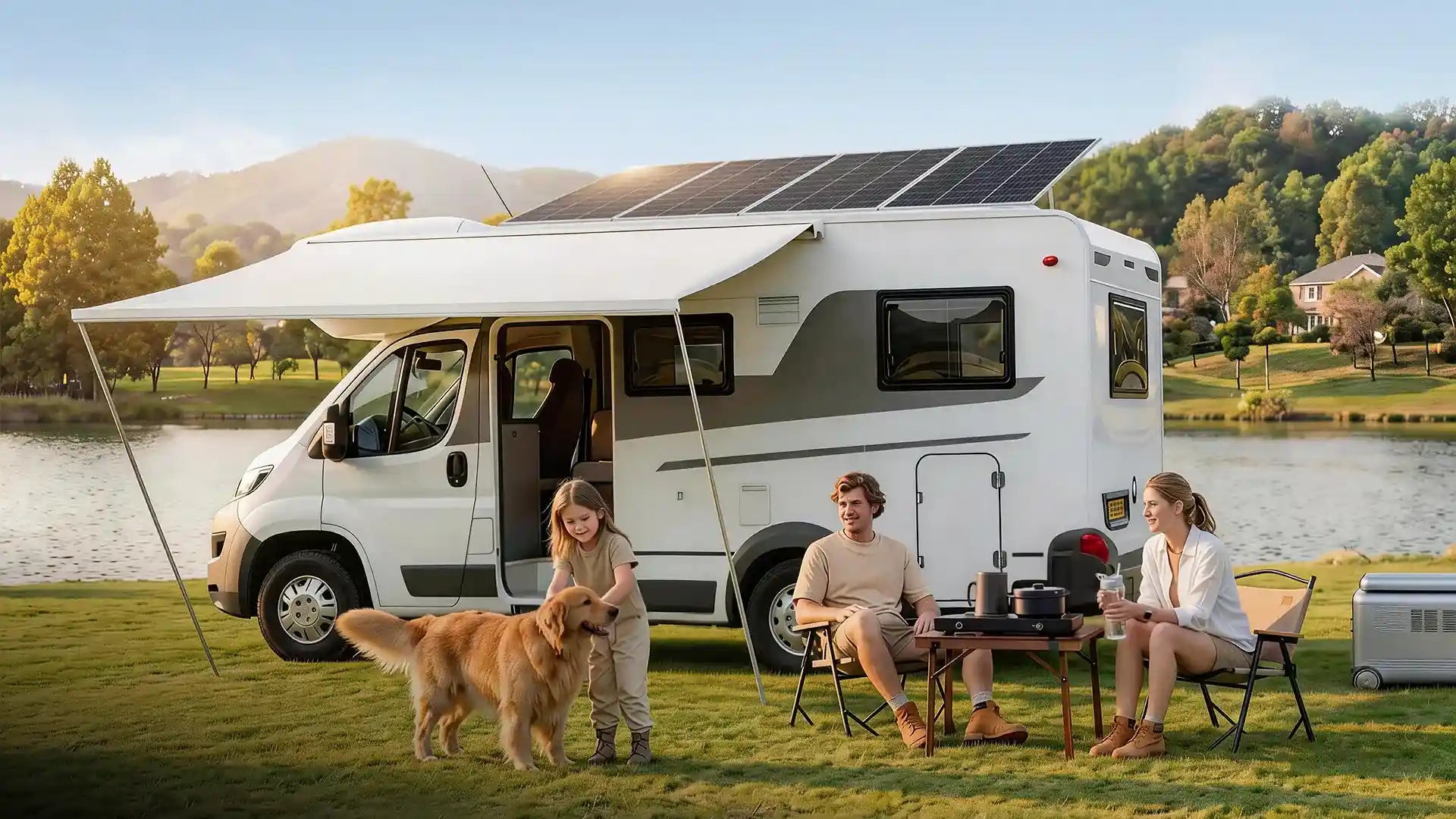
Modern road trips and festivals are powered by more than just gas and snacks. Travelers, creators, and campers now rely on phones, cameras, drones, laptops, lights, speakers, and power banks to stay connected and productive on the road.
The challenge is simple: how do you keep all your gear charged when you are off-grid?
This guide explains how to build a practical road trip charging system and manage power efficiently during travel, camping, and festivals.
Why Road Trips and Festivals Need Better Power Planning
Unlike home charging, travel power is limited by driving time, weather, access to outlets, and shared device use. At festivals, charging options are often even more restricted.
Common problems include:
Dead phones before evening events
Empty camera batteries during key moments
Uncharged drones
Overloaded vehicle outlets
Long charging lines at campsites and festivals
A reliable off-grid travel power setup helps prevent these issues.
What Uses the Most Power on the Road?
Phones
Phones are the most-used travel devices. GPS, video, social media, and weak signal all drain battery quickly.
A heavily used smartphone may need 15Wh–25Wh per day.
Cameras and Creator Gear
Mirrorless cameras, action cameras, and cinema cameras all require regular recharging.
Typical daily use:
Mirrorless camera battery: 15Wh–25Wh
Cinema camera battery: 50Wh–150Wh
Action camera battery: 5Wh–15Wh
A full day of shooting can use 50Wh–200Wh.
Drones
Drone batteries are one of the biggest hidden loads in travel setups. Depending on the drone, daily charging can reach 200Wh–600Wh.
LED Lights
Portable LED lights are useful for campsites, tents, night photography, and content creation. Most small travel lights stay within 5W–50W.
Laptops
Travel editing can quickly drain power, especially during photo or video work.
Typical laptop use:
Web browsing: 15W–40W
Photo editing: 40W–80W
Video editing: 60W–150W
For creators, laptop use may require 300Wh–800Wh per day.
Vehicle Charging, Solar Charging, and Battery Packs
The best road trip power solutions usually combine all three.
Vehicle Charging
Vehicle charging is the most reliable option while driving. It works well for:
Phone charging
Camera battery recovery
Power station charging
Day-to-day top-ups
It is fast and dependable, but only works when the vehicle is moving.
Solar Charging
Solar is most useful when parked, camping, or staying outdoors for long periods. It is silent, renewable, and ideal for daytime charging.
Solar works well for:
Phone charging
Camera battery charging
Drone battery recovery
Power balancing during long stops
Portable Battery Packs and Power Stations
Battery stations store energy for night use and away-from-vehicle charging. They are the backbone of most off-grid setups.
Typical sizes:
200Wh–500Wh: minimal travel setup
1000Wh–2000Wh: creator road trip setup
2kWh–5kWh: festival or group camping setup
Daytime Charging vs Nighttime Use
A strong travel power system depends on timing.
Charge high-demand devices during the day:
Drone batteries
Laptop charging
Camera batteries
Power stations
Save battery power for nighttime essentials:
Phones
Lights
Fans
Speakers
This simple scheduling reduces waste and prevents battery shortages.
How to Avoid Battery Anxiety
The best way to stay powered is to use multiple charging methods, not just one.
A reliable setup should include:
Vehicle charging
Solar charging
Portable battery storage
USB-C PD also helps simplify charging for phones, laptops, cameras, and accessories while reducing inverter loss.
It is also smart to carry more capacity than you think you need. Cloud cover, traffic, long shoots, and festival overnights can all increase demand.
Recommended Road Trip Power Setups
Lightweight Weekend Setup
Best for couples, casual travelers, and short trips.
Typical system:
Battery station: 300Wh–1000Wh
Vehicle charging: USB-C PD
Solar panel: 100W–200W foldable
Can support:
Phones
Cameras
Small lights
Bluetooth speakers
Basic editing
Creator Road Trip Setup
Best for photographers, videographers, and drone users.
Typical system:
Battery station: 1000Wh–2000Wh
Solar input: 200W–400W
Vehicle charging: DC fast charging
Can support:
Drone workflows
Laptop editing
Camera charging
SSD backups
Lighting
Festival or Group Camping Setup
Best for music festivals, group campsites, and outdoor movie setups.
Typical system:
Battery bank: 2kWh–5kWh
Solar array: 400W–800W
Can support:
Group phone charging
Speakers
Fans
Lighting
Portable cooking gear
Extended campsite power
Final Thoughts
Road trips and festivals now require much more power than traditional travel. Between phones, cameras, drones, laptops, lights, and entertainment gear, charging is no longer optional.
The most effective off-grid travel power system combines:
Vehicle charging
Solar charging
Portable battery storage
Smart daytime and nighttime power planning
For travelers and creators alike, a well-designed setup reduces stress, improves mobility, and keeps gear ready for every stop, shoot, and event.