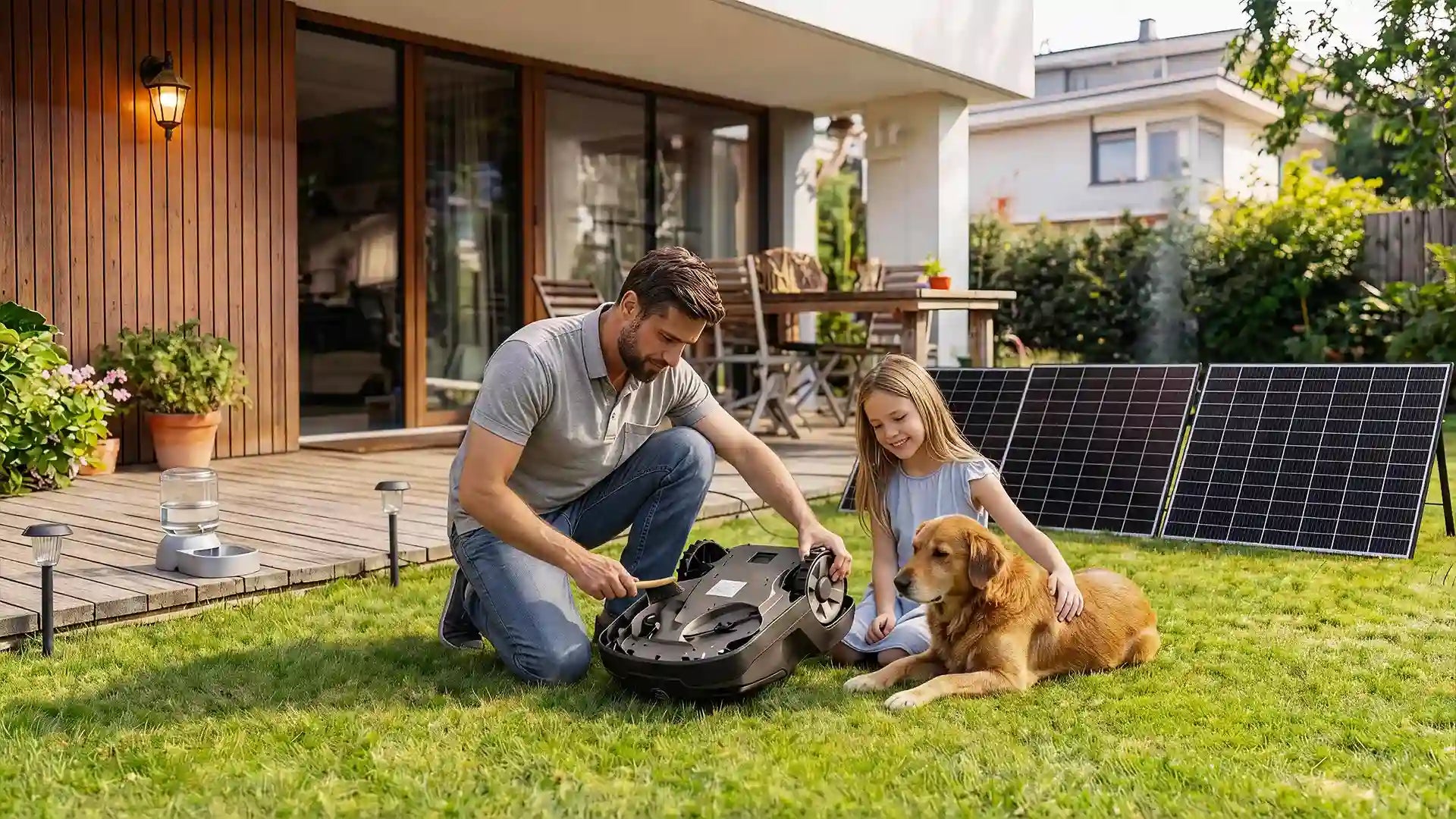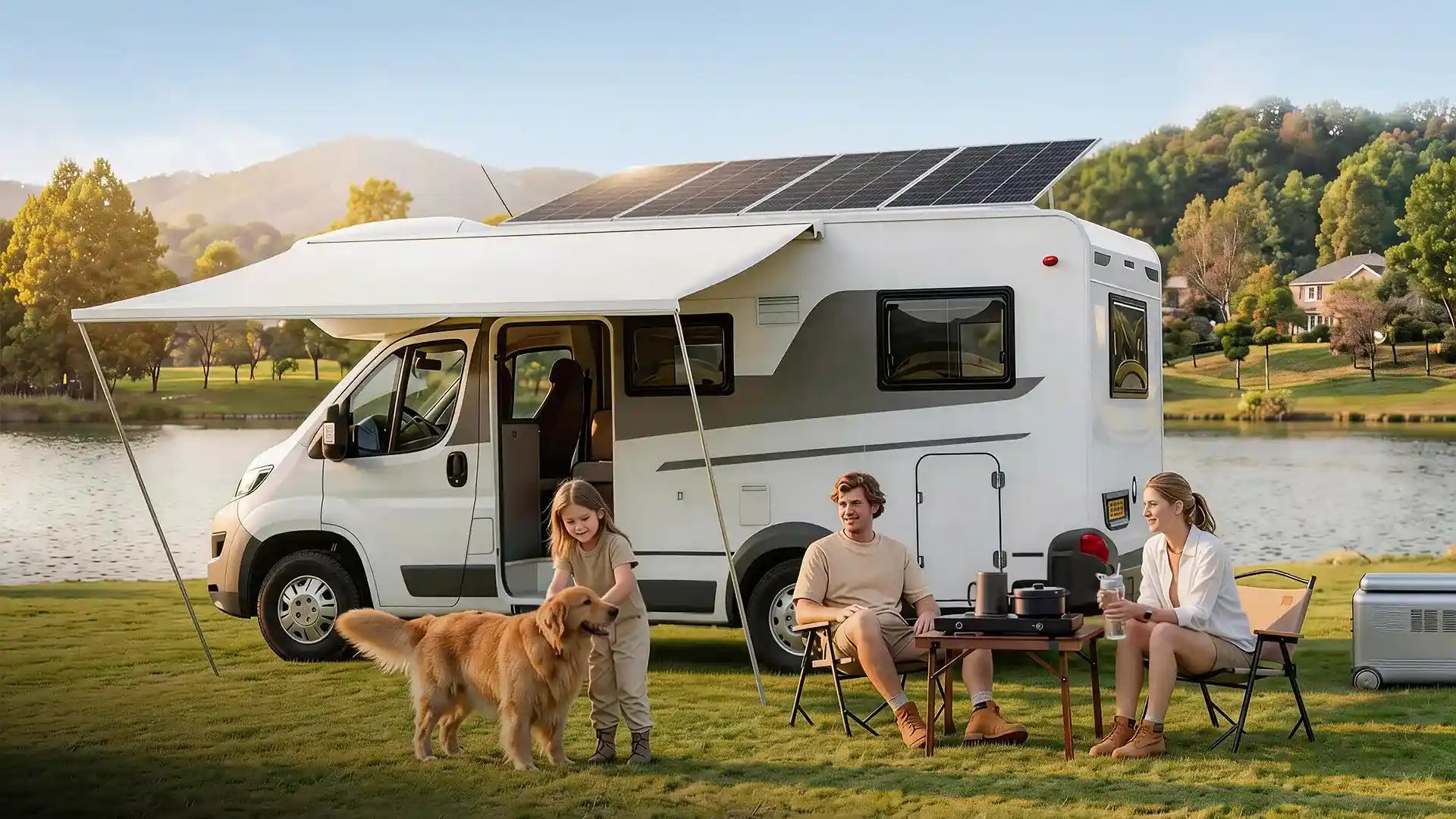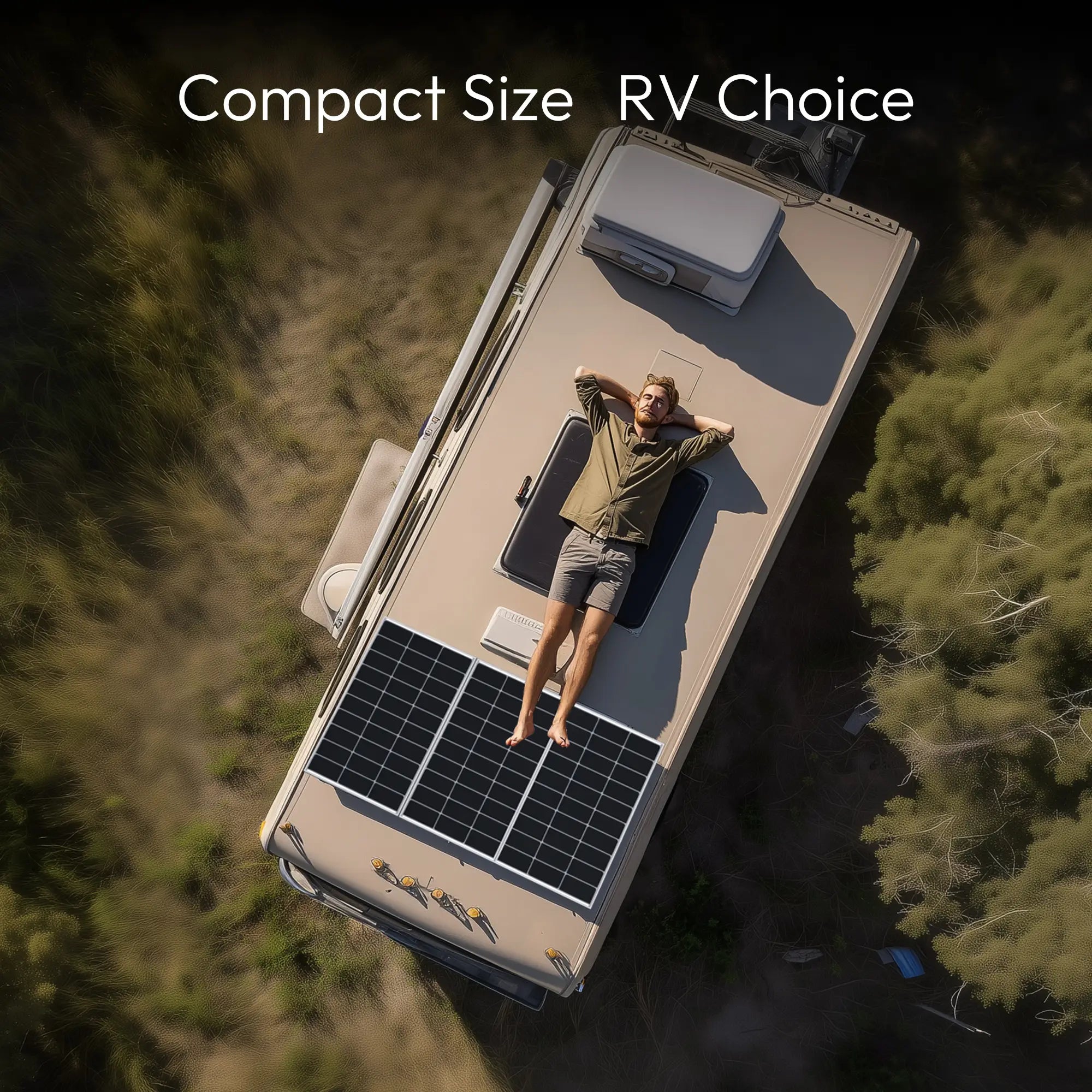
Building a complete off-grid solar system for your home can provide energy independence, cost savings, and a sustainable solution for powering your appliances. Whether you're living in a remote cabin, a tiny house, or want to reduce your reliance on the grid in a residential setting, an off-grid solar system offers a reliable alternative. This guide will walk you through the steps to design and install a complete solar power system, emphasizing energy load audits, battery storage, and system components like inverters, controllers, and wiring.
Load Audit: Calculate Your Power Consumption
Before you begin designing your off-grid solar system, it's crucial to understand your home's energy consumption. This is where a load audit comes into play. A load audit helps you estimate the daily power needs of all the electrical appliances in your home.
Step 1: Identify Key Appliances
Using the appliance data table from your investigation, identify the daily energy consumption of key appliances. Below is an overview of some common appliances and their average daily power usage:
Residential Load (Example for a Home)
Refrigerator: 150W x 24 hours = 3600W/day
Microwave: 1200W x 0.2 hours = 240W/day
Ceiling Fan: 50W x 8 hours = 400W/day
Lighting (LED): 10W per fixture x 6 hours = 60W/day
Router/Modem: 15W x 24 hours = 360W/day
Mini-Split AC: 900W x 8 hours = 7200W/day
Toaster: 1000Wx 0.1 hours = 100W/day
Coffee Maker: 1000W x 0.2 hours = 200W/day
Washer: 600W x 1 hours = 600W/day
Water Heater: 12000W x 0.5 hours=6000W/day
Tiny House Load
Mini Fridge: 90W x 24 hours = 2160W/day
Induction Cooktop: 2000W x 0.7 hours = 1400W/day
Ceiling Fan: 50W x 8 hours = 400W/day
Lighting: 10W x 6 hours = 60W/day
Mini-Split AC: 900W x 8 hours = 7200W/day
Tankless Water Heater:12000W x 0.5 hours=6000W/day
Cabin Load
Refrigerator: 100W x 24 hours = 2400W/day
Microwave: 1200W x 0.2 hours = 240W/day
Ceiling Fan: 50W x 8 hours = 400W/day
Small Water Heater: 1500W x 2 hours = 3000W/day
Step 2: Calculate Total Daily Consumption
Add up the energy usage for each device to get your total daily consumption. For instance, a typical residential home might have a total of 18760W/day, while a tiny house might use around 17220W/day, and a cabin could consume 6040W/day.
Step 3: Determine Your Solar Power Needs
Once you know how much energy you need per day, you can calculate how many solar panels will be required to generate that energy. The formula is:
Solar Panel Wattage (per day) = Total daily consumption (Wh) ÷ Peak Sun Hours (average daily sunlight)
Example: If you consume 18760W/day and receive 5 hours of sunlight per day, you need around 13960W of solar panels (18760 ÷ 5).
Daytime Power Generation and Nighttime Energy Storage
An off-grid solar system needs to be capable of generating enough electricity during the day to meet your needs and store excess power in batteries for use at night or during cloudy days.
Daytime Power Generation
Your solar panels will generate power during the day when the sun is shining. To maximize this, position your panels to receive the most sunlight. Monocrystalline solar panels are the most efficient, typically producing between 23-26% efficiency.
Nighttime Power Storage
At night, you'll need to draw power from the batteries that were charged during the day. Choosing the right battery type is crucial to ensure sufficient storage capacity for those hours.
Battery Types, Inverters, and Controllers
The main components of your off-grid solar system are the batteries, inverters, charge controllers, and wiring. Each of these components plays a critical role in the overall system performance.
a. Battery Types:
There are a few common types of batteries used in off-grid solar systems:
1. Lead-Acid Batteries: These are traditional, cost-effective options but require regular maintenance and have a shorter lifespan (around 5-7 years).
2. Lithium-Ion Batteries: These are more efficient, longer-lasting (up to 15 years), and require less maintenance. They are ideal for systems that require consistent power and are more energy-efficient.
b. Inverters:
An inverter converts DC power (from the solar panels and batteries) into AC power, which is used by most home appliances. There are two types of inverters:
1. Pure Sine Wave Inverters: These are the most efficient and provide clean, stable power. They are ideal for sensitive electronics.
2. Modified Sine Wave Inverters: These are cheaper but may cause interference with some electronics.
3.Split-Phase Inverter: Provides both 120V and 240V output, commonly used for homes and larger systems.
4.Hybrid Inverter: Combines solar, battery, and grid or generator power in one system for flexible energy use.
c. Charge Controllers:
A charge controller ensures that your batteries are charged safely and efficiently by regulating the voltage coming from the solar panels. The most common types of charge controllers are:
1.PWM (Pulse Width Modulation) Controllers: Cheaper, suitable for smaller systems.
2.MPPT (Maximum Power Point Tracking) Controllers: More efficient and ideal for larger systems, especially in areas with less sunlight.
Wiring and Safety Protection
Proper wiring is critical for safety and efficiency. Use heavy-duty cables rated for high voltage and current to prevent overheating and loss of power.
Safety Protection:
Install fuses, circuit breakers, and disconnects to prevent overcharging, over-discharging, and short circuits. These protective elements will ensure the system operates safely over time.
Backup Power: When is an Off-Grid System Right for You?
Not every home is suited for a completely off-grid solar system. Here are some factors to consider when deciding if you should go off-grid or opt for a solar backup system:
Ideal for Off-Grid Systems:
1.Remote Locations: If your home is far from the grid and utility services are not available, an off-grid system can provide self-sufficiency.
2.Small to Medium Homes: Homes with moderate power needs (e.g., tiny houses, cabins) can be fully supported by solar power.
3.Minimal Power Usage: Off-grid systems are ideal if you have low to moderate energy consumption and can adapt to using solar for most of your needs.
Ideal for Solar Battery Backup:
1.Suburban and Urban Homes: If your home is connected to the grid and you only want to use solar power for backup during power outages, a solar battery backup system is a good option.
2.High Power Needs: Homes with high energy consumption (e.g., air conditioning, large appliances) might find it difficult to rely solely on solar, especially if they are not located in sunny regions.
3.Cost Considerations: Completely off-grid systems can be expensive, so a hybrid system with solar for backup power can provide savings while still offering backup during outages.
Designing Your Complete Off-Grid Solar System
Step 1: Total Energy Consumption
Calculate your total daily energy needs by adding up the power usage for all appliances (as demonstrated in the earlier section).
Step 2: Solar Panel Sizing
Using the formula above, determine how many solar panels you need based on your energy consumption and available sunlight hours.
Step 3: Battery Storage Sizing
Your battery bank should store enough energy to power your home overnight and during cloudy days. A general guideline is to have enough storage for 2-3 days of energy use.
Step 4: Inverter Selection
Choose a pure sine wave inverter, split-phase inverter or hybrid inverter that can handle your peak power demand. Ensure it's sized appropriately for your highest simultaneous power usage.
Step 5: System Monitoring and Maintenance
Once your system is up and running, monitor its performance regularly. Many systems now come with smart monitoring features that allow you to track energy production, storage levels, and usage through mobile apps.
Conclusion: Energy Independence with an Off-Grid Solar System
Building an off-grid solar system is an empowering and sustainable way to power your home. By performing a load audit, choosing the right components, and ensuring adequate energy storage, you can create a system that meets your energy needs while reducing reliance on the grid. Whether you live in a remote cabin, a tiny house, or simply want to use solar energy as a backup, understanding how to design and install a complete solar system will provide long-term energy independence.