
Not All Power Stations Are the Same, Many users buy a power station expecting one thing: “Plug it in, and everything works.” But reality is different.
Power stations vary widely in:
Capacity
Input limits
Use cases
Choosing the wrong one leads to:
Slow charging
Insufficient runtime
Poor compatibility
Step 1: Understand Your Use Case
Portable Use
Camping
Road trips
Tailgating
Focus:
Lightweight
Easy setup
Moderate capacity
Home Backup Use
Power outages
Emergency support
Focus:
Larger capacity
Higher input
Stable output
Step 2: Understand Capacity vs Input
Two key concepts:
Battery Capacity
Determines runtime
Measured in Wh
Solar Input
Determines recharge speed
Common mistake:
Buying a large battery with weak solar input.
Step 3: Match Solar Panels with Power Station
You must consider:
Voltage range
Current limit
Max input wattage
If mismatched:
Charging slows down
System underperforms
Step 4: Typical Setup Examples
Camping Setup
Small to mid-size power station
Portable solar panel
Charges phones, lights, small devices
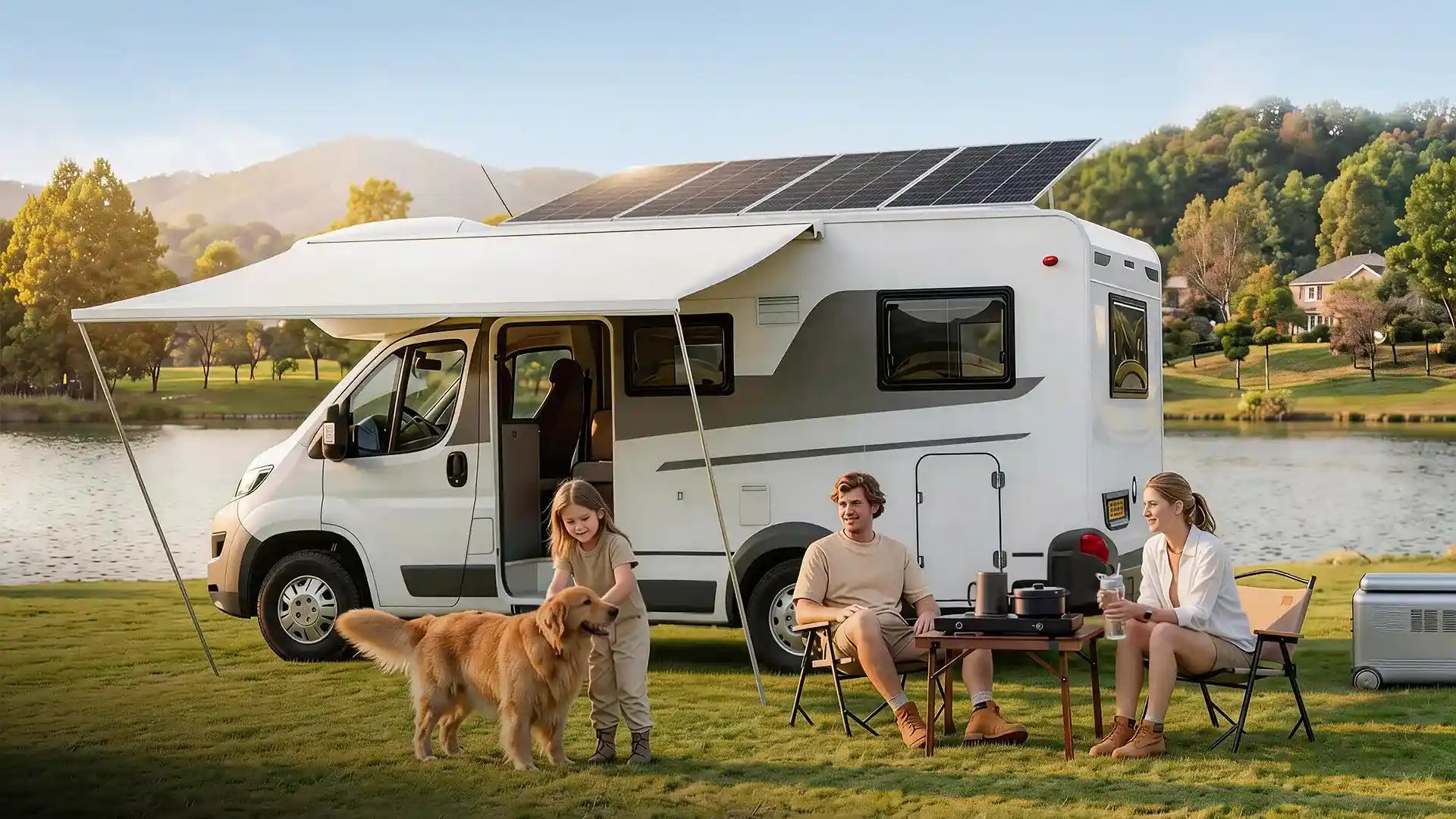
RV / Travel Setup
Mid to large system
Mix of solar + vehicle charging
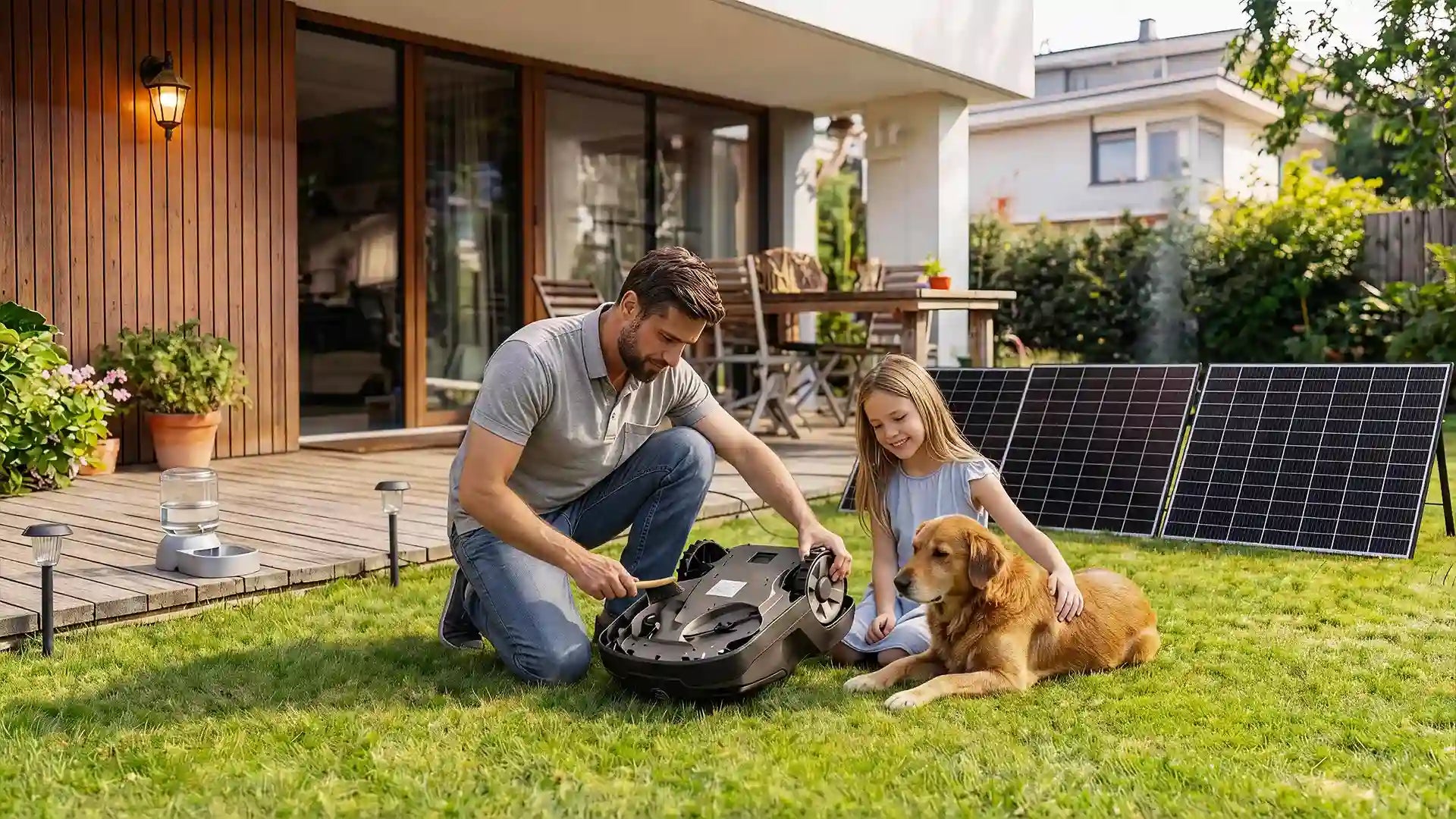
Home Backup Setup
Large capacity
Higher solar input
Supports essential loads
Step 5: Avoid Common Mistakes
Overspending on capacity you don’t use
Ignoring solar input limits
Expecting portable systems to power a full house
Not planning charging schedule
Final Thought
A power station is not just a battery. It is part of a system.
Choosing correctly means understanding:
How you use power
When you use it
How you recharge it