
Official Emergency Checklist for Extreme Cold & Snowstorm Regions | JJN Solar
This checklist is designed for households in extreme cold, heavy snow, and winter storm–prone regions, where power outages can last hours—or days.
It focuses on safety first, then energy continuity.
OFFICIAL WINTER POWER OUTAGE CHECKLIST
(Extreme Cold & Snowstorm Regions)
1. BEFORE THE STORM — PREPARE YOUR HOME
(1) Home Heat Retention
a. Seal gaps around doors and windows
b. Close off unused rooms
c. Install or prepare thermal curtains
d. Keep floor rugs and draft blockers ready
(2) Personal Warmth
a. Prepare layered clothing for each family member
b. Include thermal socks, gloves, and hats
c. Keep sleeping bags or emergency blankets accessible
(3) Emergency Supplies
a. Flashlights or LED lanterns (battery-powered)
b. Spare batteries or hand-crank chargers
c. Battery-powered weather radio
d. At least 3 days of drinking water
e. Non-perishable food that requires minimal cooking
2. DURING A POWER OUTAGE — IMMEDIATE SAFETY ACTIONS
(1) Stay Warm Safely
a. Stay together in one insulated room
b. Block drafts with towels or blankets
c. Sit or sleep low to the ground where heat is retained
(2) NEVER Use These Indoors
a. Gas stoves or ovens for heating
b. Charcoal grills or propane heaters
c. Fuel-powered generators
These create serious carbon monoxide and fire risks.
3. MAINTAINING POWER FOR ESSENTIAL NEEDS
In extreme cold, electricity is essential for:
(1) Safe heating devices (electric blankets, low-watt heaters)
(2) Boiling water and preparing warm food
(3) Lighting and emergency communication
(4) Charging phones, radios, and medical devices
Why Battery-Based Power Matters
Battery-powered energy systems can be used indoors, silently, and without fumes—making them far safer than fuel-based generators during winter storms.
4. USING SOLAR POWER DURING EXTREME WINTER CONDITIONS
Do Solar Panels Work in Extreme Cold?
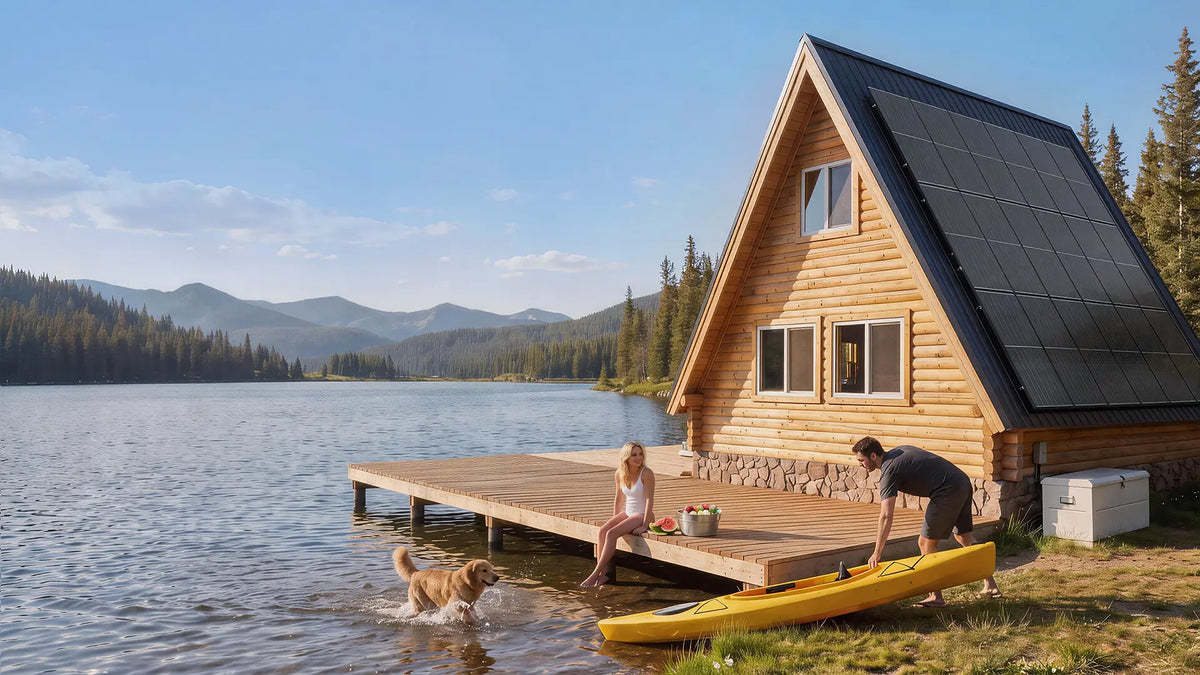
Yes. Solar panels generate electricity from sunlight, not heat.
In extreme winter conditions:
(1) Cold temperatures can improve panel efficiency
(2) Panels often shed snow naturally when installed at an angle
(3) Reflected light from snow can increase energy capture
Best Solar Panel Types for Snow & Cold
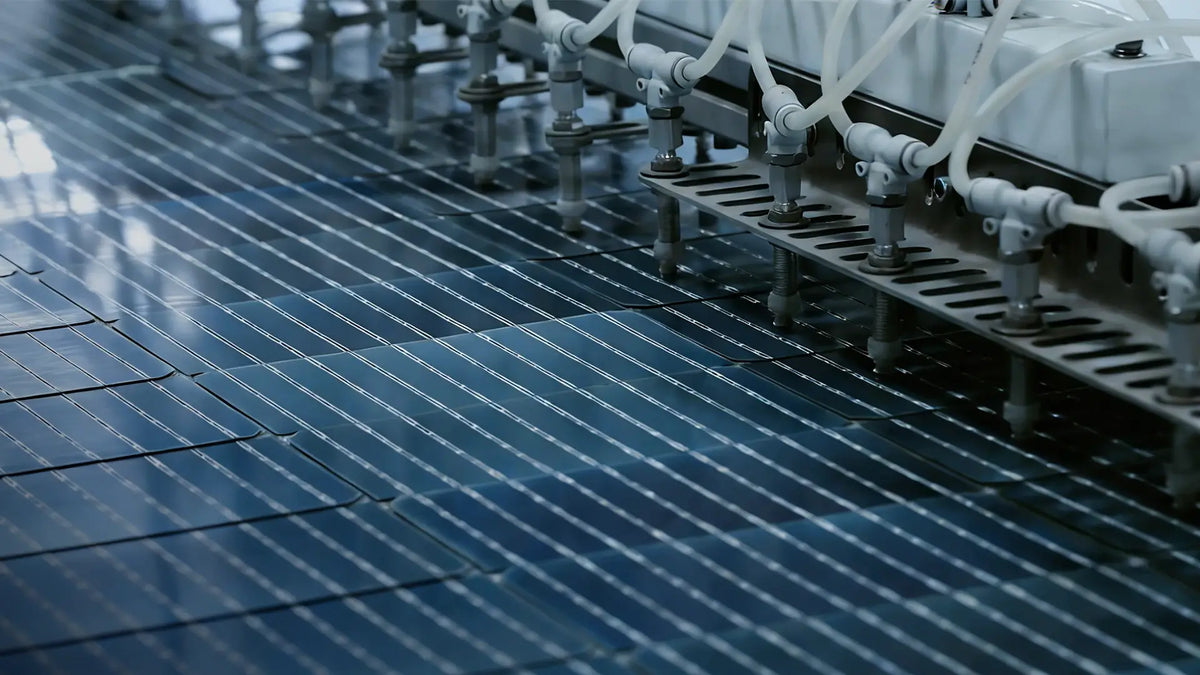
High-efficiency bifacial panels are especially effective in snowy regions.
Recommended options include:
-
400W bifacial N-type solar panel — optimized for low-light, cold-weather stability
-
550W bifacial solar panel — higher output to compensate for shorter winter days
When paired with battery storage, these systems provide reliable power even during prolonged outages.
5. AFTER POWER IS RESTORED — POST-OUTAGE CHECK
(1) Gradually reheat the home to avoid pipe damage
(2) Inspect plumbing for freezing or leaks
(3) Recharge batteries and restock emergency supplies
(4) Review what worked and adjust your emergency plan
Winter outages often repeat—prepared households recover faster each time.
EXTREME COLD & SNOWSTORM–SPECIFIC SAFETY NOTES
1. Keep pets indoors and away from cold floors
2. Avoid unnecessary travel during outages
3. Monitor indoor temperatures regularly
4. If indoor temperatures drop below safe levels, relocate to a warming center if available
FINAL REMINDER
You cannot control winter storms.
You can control your preparedness.
A combination of heat retention, safe practices, and reliable backup energy is the foundation of winter household safety.
At JJN Solar, we focus on helping families stay warm, safe, and powered—especially when winter conditions are at their most severe.
FAQs
Do solar panels work during snowstorms?
Yes. Solar panels continue to generate electricity in winter when sunlight is available. Snow often melts or slides off angled panels naturally.
How cold is too cold for solar panels?
Solar panels are designed to operate in extreme cold. In fact, cold temperatures can improve efficiency compared to hot conditions.
Is it safe to use generators indoors during winter outages?
No. Fuel-based generators and grills should never be used indoors due to carbon monoxide poisoning risks.
What is the safest backup power option in winter?
Battery-based systems charged by solar panels are among the safest options, as they operate indoors without fuel, fumes, or noise.
How long can a solar battery provide power during an outage?
This depends on battery capacity and energy use. Prioritizing essential devices extends available power significantly.