
Solar vs Generator for Cold-Weather RV Living
Is solar or a generator better for winter RV living?
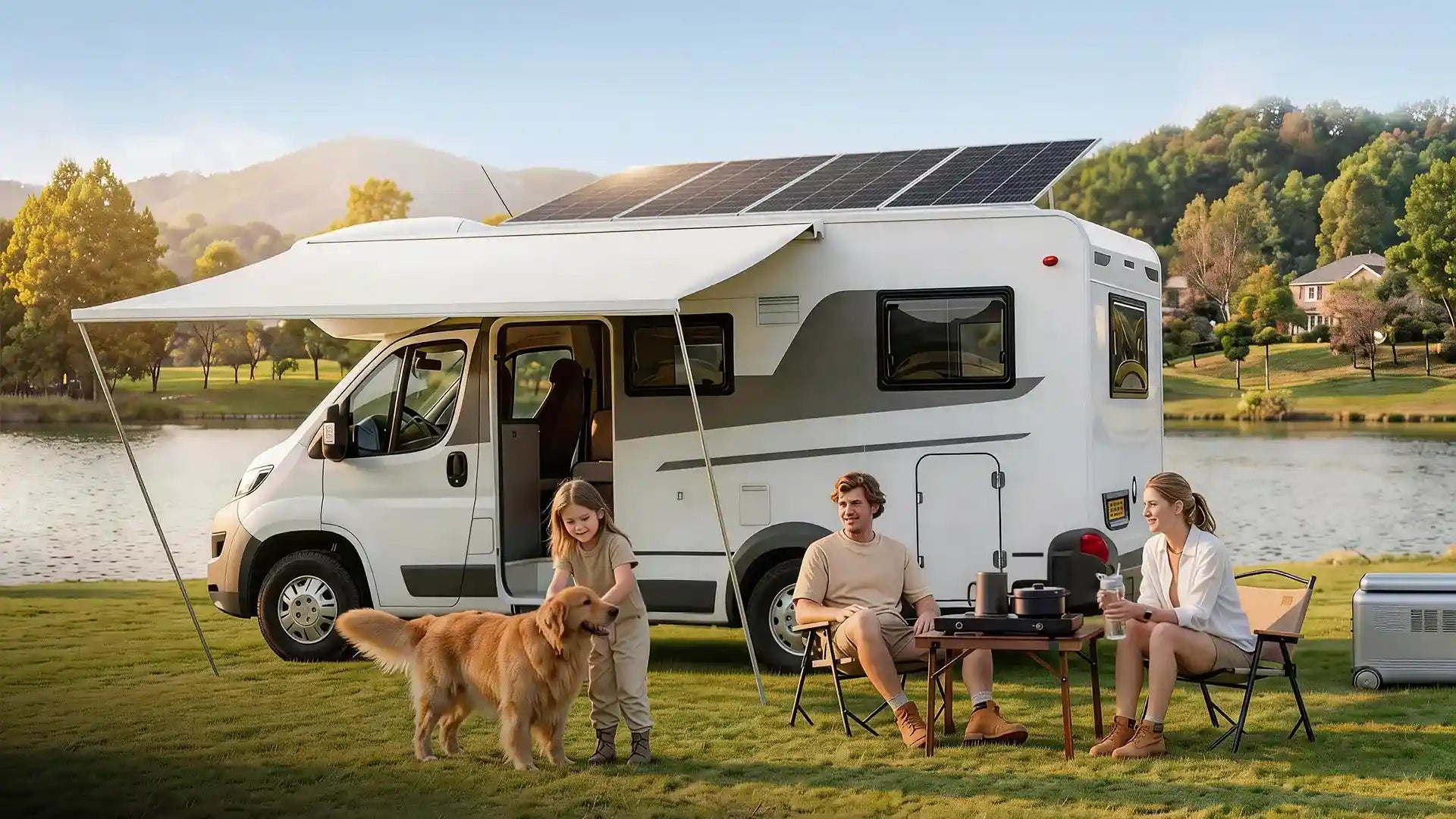
Solar power paired with battery storage is safer and more reliable for daily winter RV living, as it operates silently and indoors without fumes. Generators can provide emergency backup but are fuel-dependent, noisy, and unsafe for indoor use.Solar vs Generator for Cold-Weather RV Living
Winter RV Safety Starts with Power Choices
Winter RV risks are amplified by:
1.Cold
2.Darkness
3.Isolation
Safety depends on reliable, controllable power.
Essential Winter RV Safety Checklist
Heating & Air Quality
1.Carbon monoxide detector
2.Proper ventilation
3.Never use fuel heaters indoors
Power & Communication
1.Backup battery storage
2.Solar charging capability
3.Fully charged phones & radios
Cold Weather Prep
1.Insulated hoses
2.Emergency water supply
3.Redundant heating options
Solar vs Generator: The Winter Reality
Generator Limitations
1.Cannot be used indoors
2.Requires fuel access
3.Loud and weather-sensitive
Solar + Battery Advantages
1.Indoor-safe
2.Silent
3.Reliable daily use
4.Works during outages
Most experienced RVers rely on solar daily—and keep generators only as last-resort backups.
Winter RV Living in Extreme Cold Regions
In regions where winter temperatures regularly drop below -10°F (-23°C), RV living requires industrial-level preparation, not casual winterization.
Key challenges include:
1.Extended periods without sunlight
2.Severe wind chill
3.Higher energy demand for heating
4.Increased risk of power outages
Solar Power in Northern U.S. & Canada
Even in northern latitudes:
1.Solar panels continue to generate power during daylight
2.Cold temperatures improve efficiency
3.Snow reflection enhances bifacial panel output
The key difference is system sizing:
1.Larger panel capacity
2.Higher battery storage
3.Energy prioritization planning
Recommended Setup for Extreme Cold RV Living
1.High-efficiency bifacial solar panels
2.Battery capacity sized for multi-day autonomy
3.Electric heating for baseline warmth
4.Propane reserved for backup only
In extreme cold regions, solar power is not about independence—it’s about resilience.
Final Thought
Winter RV living isn’t about pushing limits.
It’s about designing systems that work when conditions don’t.
With the right solar and power setup, winter becomes a season of freedom—not risk.
FAQS
Do solar panels work for RVs in winter?
Yes. Solar panels generate electricity from sunlight, not heat, and cold temperatures can improve efficiency. With proper panel angle and battery storage, solar power remains reliable for winter RV living.
How cold is too cold for RV living?
RV living is possible in winter, but temperatures below 32°F (0°C) risk frozen pipes. Sustained temperatures under 20°F (-6°C) require insulation, heating, and reliable power.
Is solar or a generator better for winter RV living?
Solar power paired with battery storage is safer and more suitable for daily winter RV living, while generators are best reserved for emergency backup due to fuel and safety limitations.
How much power does an RV need in winter?
Most winter RV setups require 1.5–2 kWh per day for minimal use and 3–5 kWh per day for comfortable living, depending on heating and appliance use.
Internal link:
Complete winter RV power guide
solar power for winter RV camping