Recommended Products
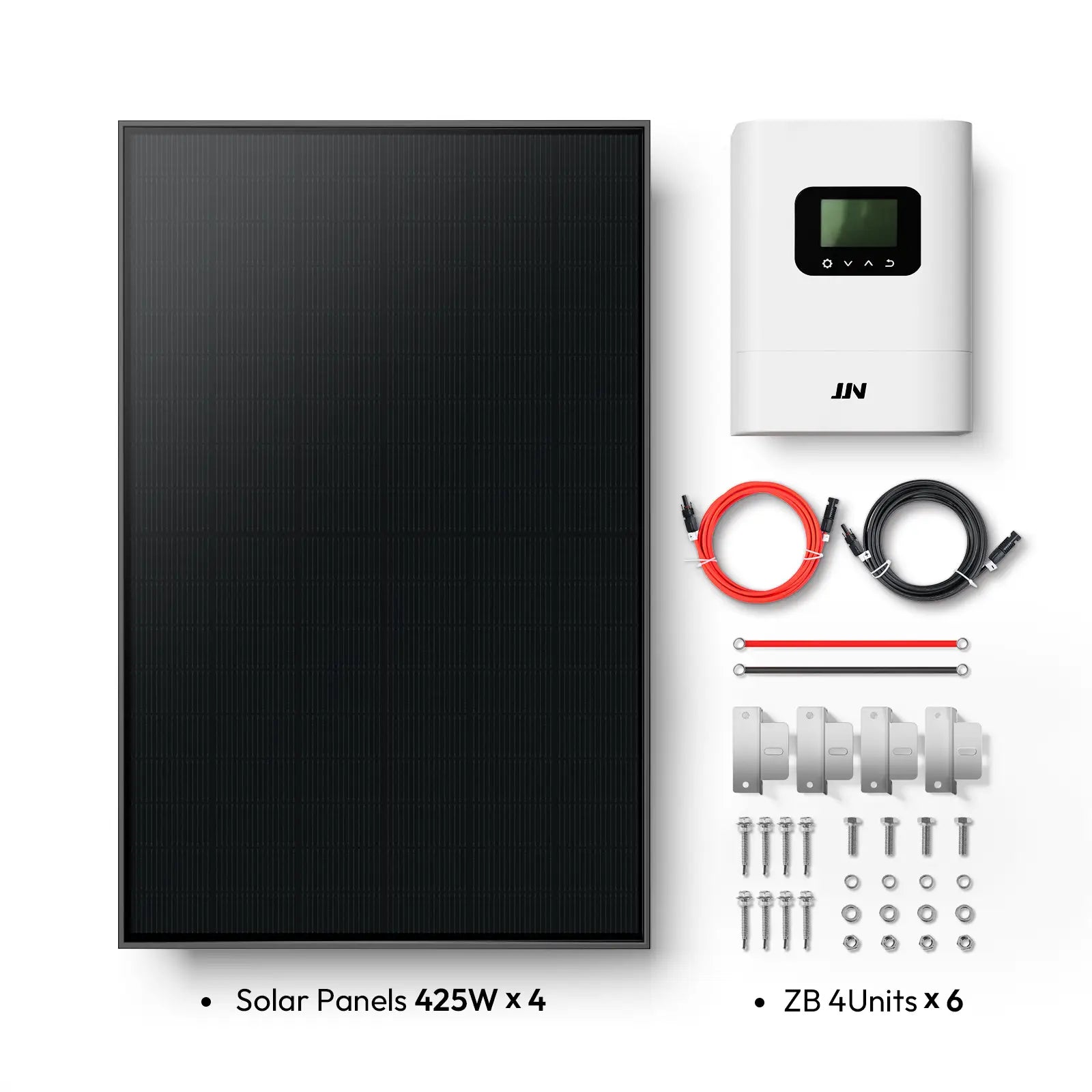


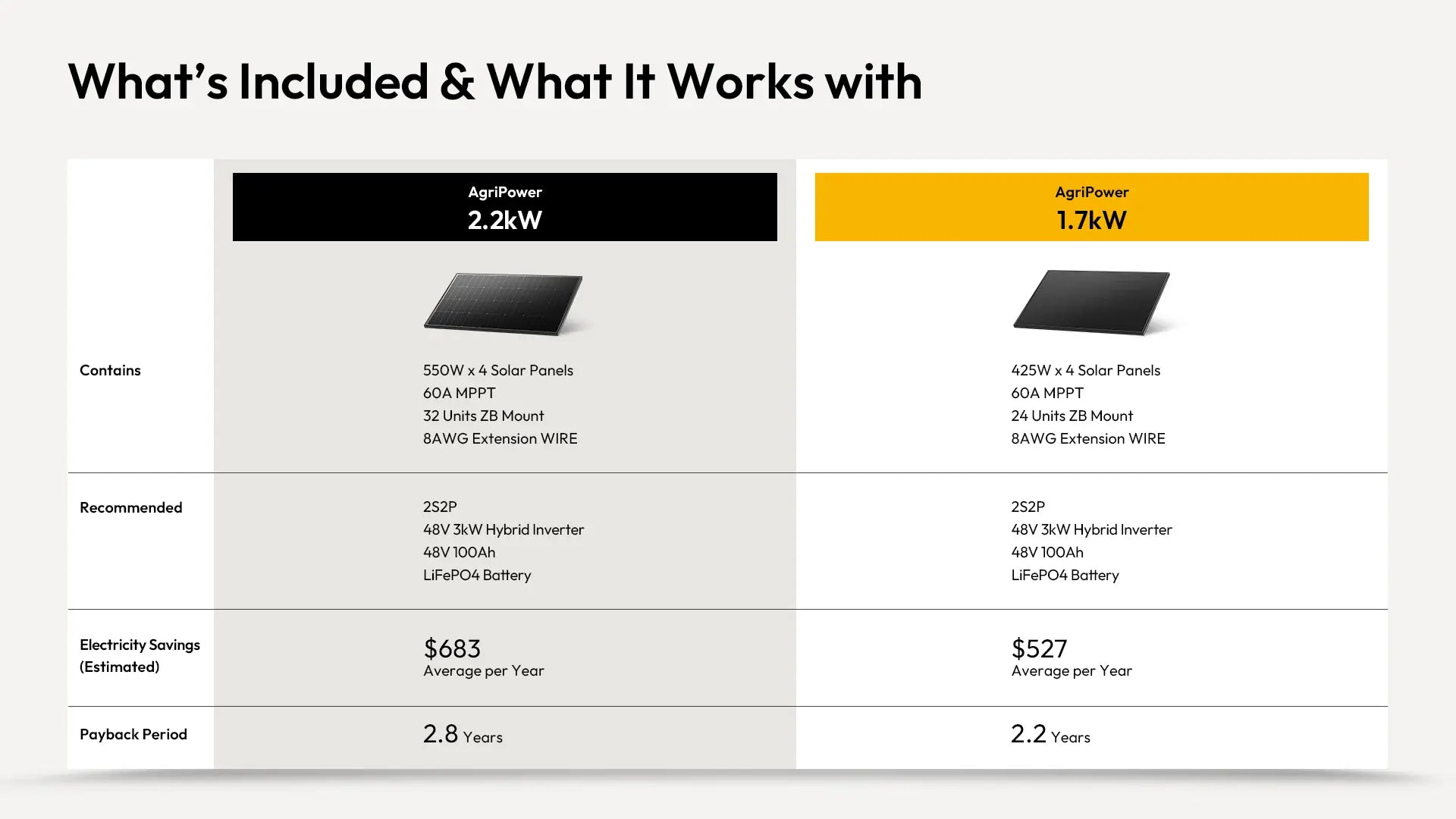
AgriPower 1.7kW Off-Grid Solar Kit for Farms, Barns & Fencing


2.2kW Home Solar Backup Kit — Up to 12 Hours of Power

FAQs
Can solar energy reliably power a working farm?
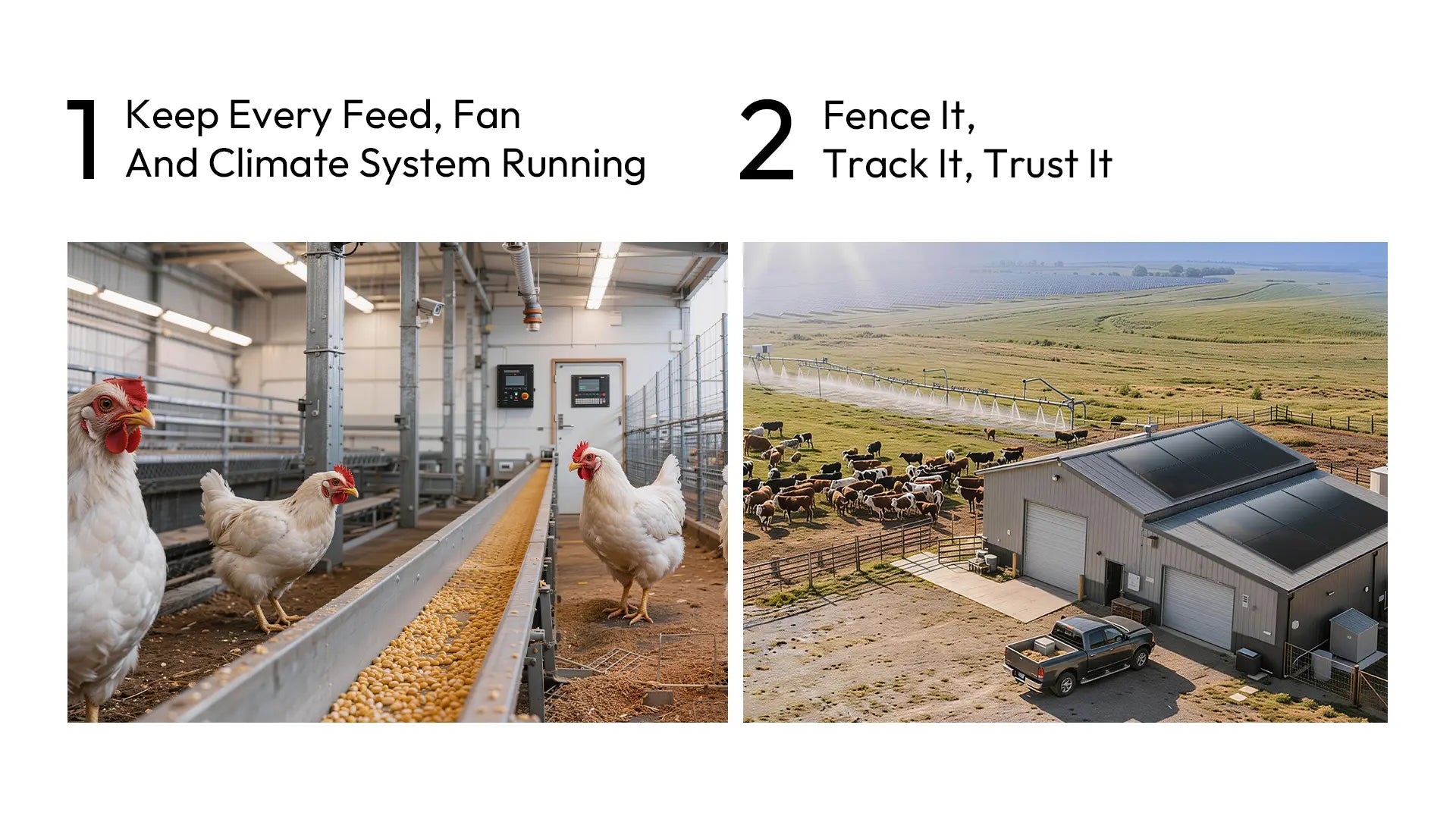
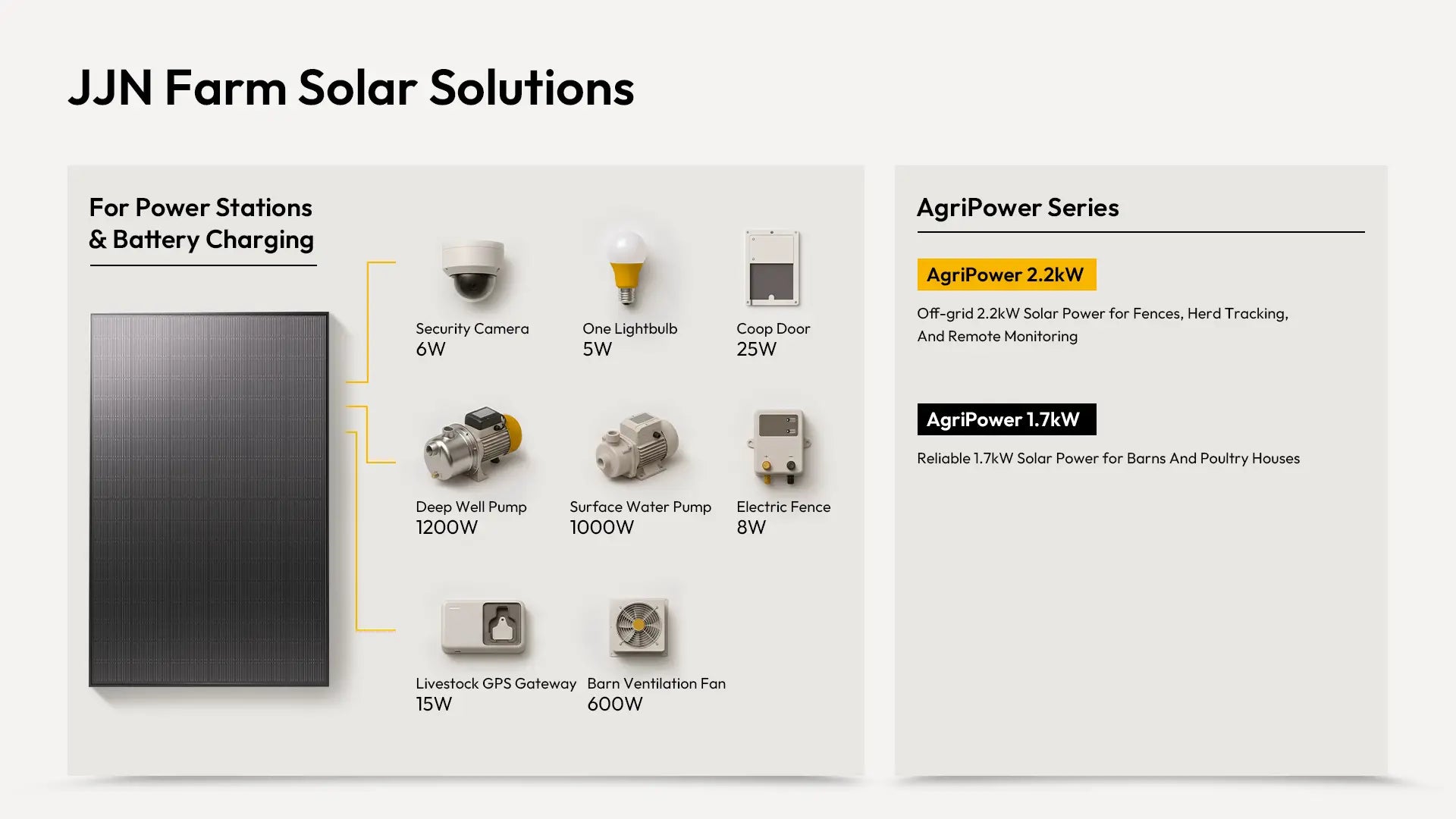
Yes. Modern solar systems combined with battery storage can reliably power essential farm operations, including livestock tracking devices, irrigation systems, farm lighting, electronic gates, feeders, and heaters. These systems are designed for continuous, long-term agricultural use.
Is solar power safe for farms compared to diesel generators?
Absolutely. Solar energy eliminates the fire risks, fuel leaks, exhaust fumes, and noise associated with diesel generators. This significantly improves safety for animals, equipment, and farm workers, especially in dry or remote areas.
What if my farm is located far from the power grid?
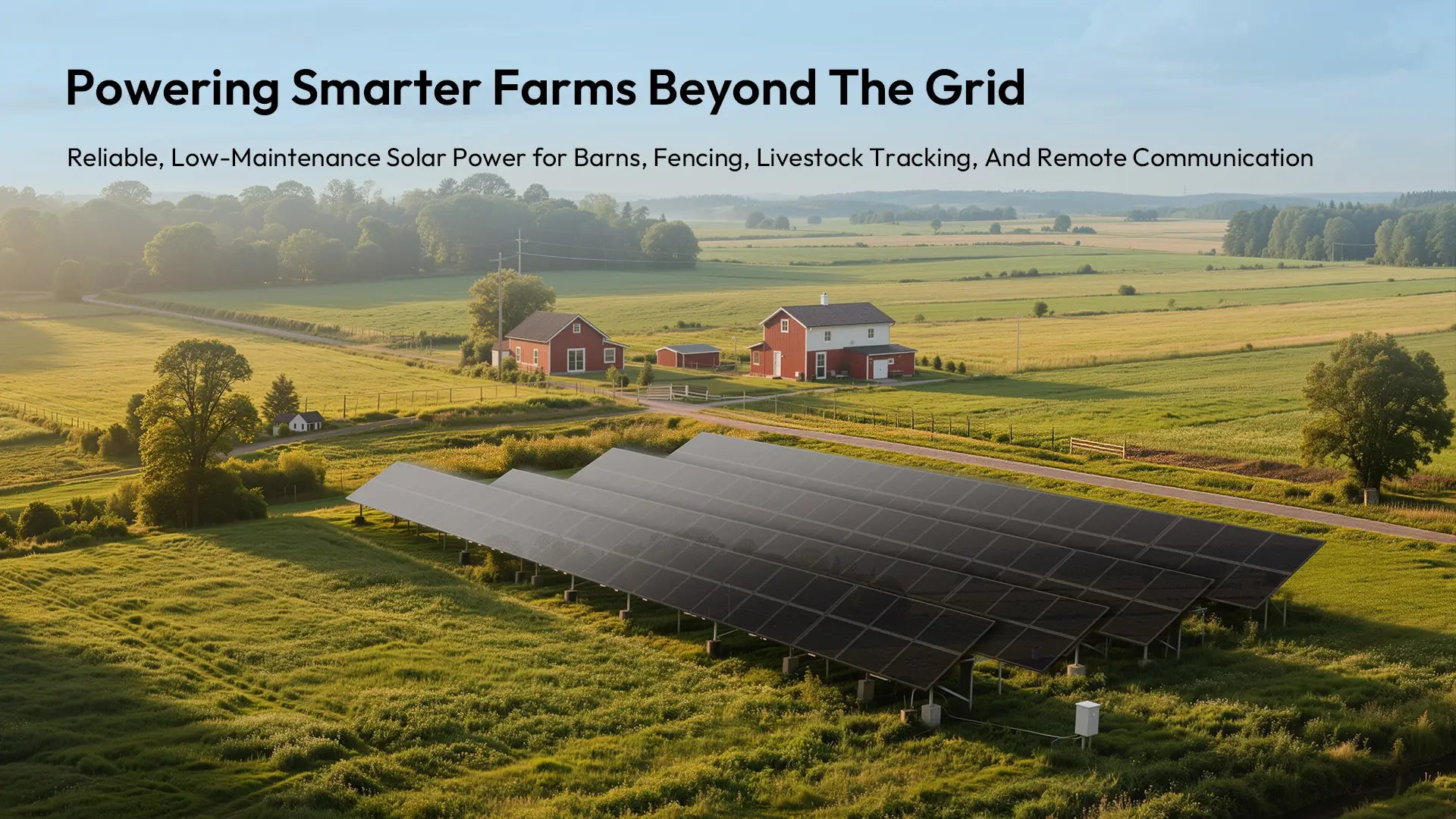
Solar solutions are ideal for remote and off-grid farms. JJN Solar systems can operate completely off-grid or as hybrid systems that supplement limited grid access, providing reliable power where utility lines are unavailable or too costly to extend.
Can solar power support automated irrigation systems?
Yes. Solar energy is widely used to power water pumps, automated sprinklers, drip irrigation, and soil-moisture-based controllers. This allows farms to maintain consistent irrigation schedules without relying on grid electricity or diesel fuel.
Will solar systems work during winter or cloudy weather?
Yes. Solar panels continue generating electricity in cloudy conditions, and battery storage ensures power availability during nighttime or low-sun periods. Systems are designed with seasonal variation in mind to maintain year-round operation.
How much maintenance does a farm solar system require?
Very little. Solar panels have no moving parts and typically require only occasional cleaning. Batteries and controllers are designed for long service life, making solar one of the lowest-maintenance energy solutions for agricultural environments.
Can solar panels coexist with crops or livestock?
Yes. In many cases, solar panels can improve land use efficiency. Panels may provide shade that reduces heat stress for animals and soil moisture loss for crops. This dual-use approach can support healthier pasture growth and more sustainable land management.
Can farm waste or livestock operations benefit from solar systems?
Solar-powered farms often integrate energy systems with existing agricultural cycles. Cleaner energy reduces pollution, while improved land conditions can support better pasture growth, creating a more balanced and sustainable farm ecosystem.
Is solar energy cost-effective for farms?
Yes. While the initial investment varies by system size, solar significantly reduces long-term energy costs by eliminating fuel expenses and lowering electricity bills. Many farms see strong returns over time due to stable energy production and low operating costs.
Can the system expand as my farm grows?
Yes. JJN Solar farm solutions are modular and scalable. You can start with a system for irrigation or livestock monitoring and later expand to power additional equipment, buildings, or smart farm technologies.
Is solar power suitable for harsh farm environments?
Yes. Solar panels and energy storage systems are built to withstand outdoor conditions such as dust, heat, cold, wind, and rain. They are commonly deployed in agricultural and rural settings across North America.
What types of farms benefit most from solar solutions?
Solar energy is especially beneficial for:
Remote or off-grid farms
Livestock and dairy farms
Crop farms using irrigation systems
Smart farms with automated gates, feeders, or climate control
Farms looking to reduce fuel use and improve long-term sustainability
Will installing solar disrupt daily farm operations?
No. Solar systems can be installed with minimal disruption, and many components are placed away from high-traffic farm areas. Once installed, the system operates automatically with little daily involvement.
Can solar help reduce my farm’s environmental impact?
Yes. Solar power reduces greenhouse gas emissions, eliminates fuel spills, and supports more sustainable land use practices. This aligns with increasing demand for environmentally responsible farming across North America.