
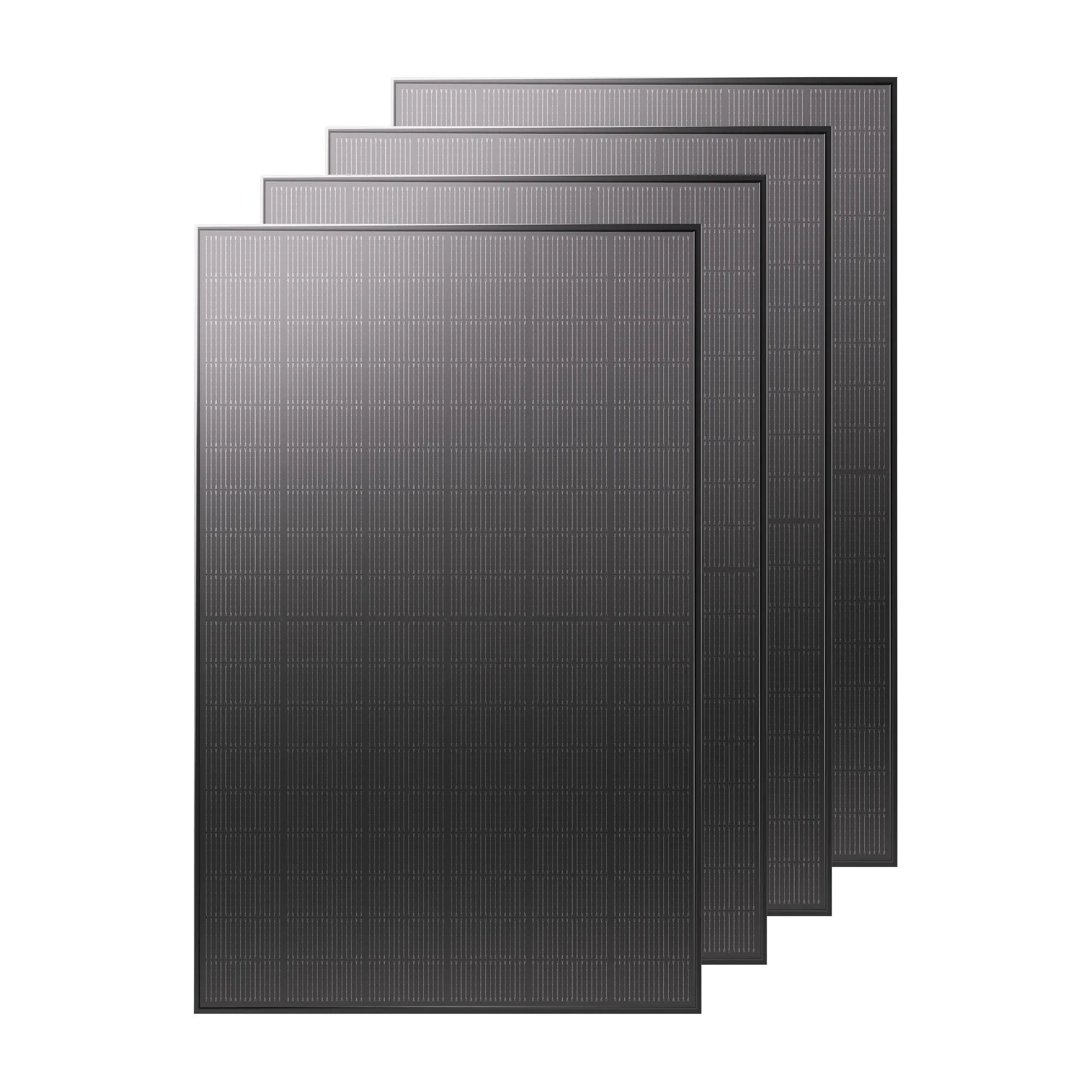


425W N-type Bifacial Solar Panels 4Pcs
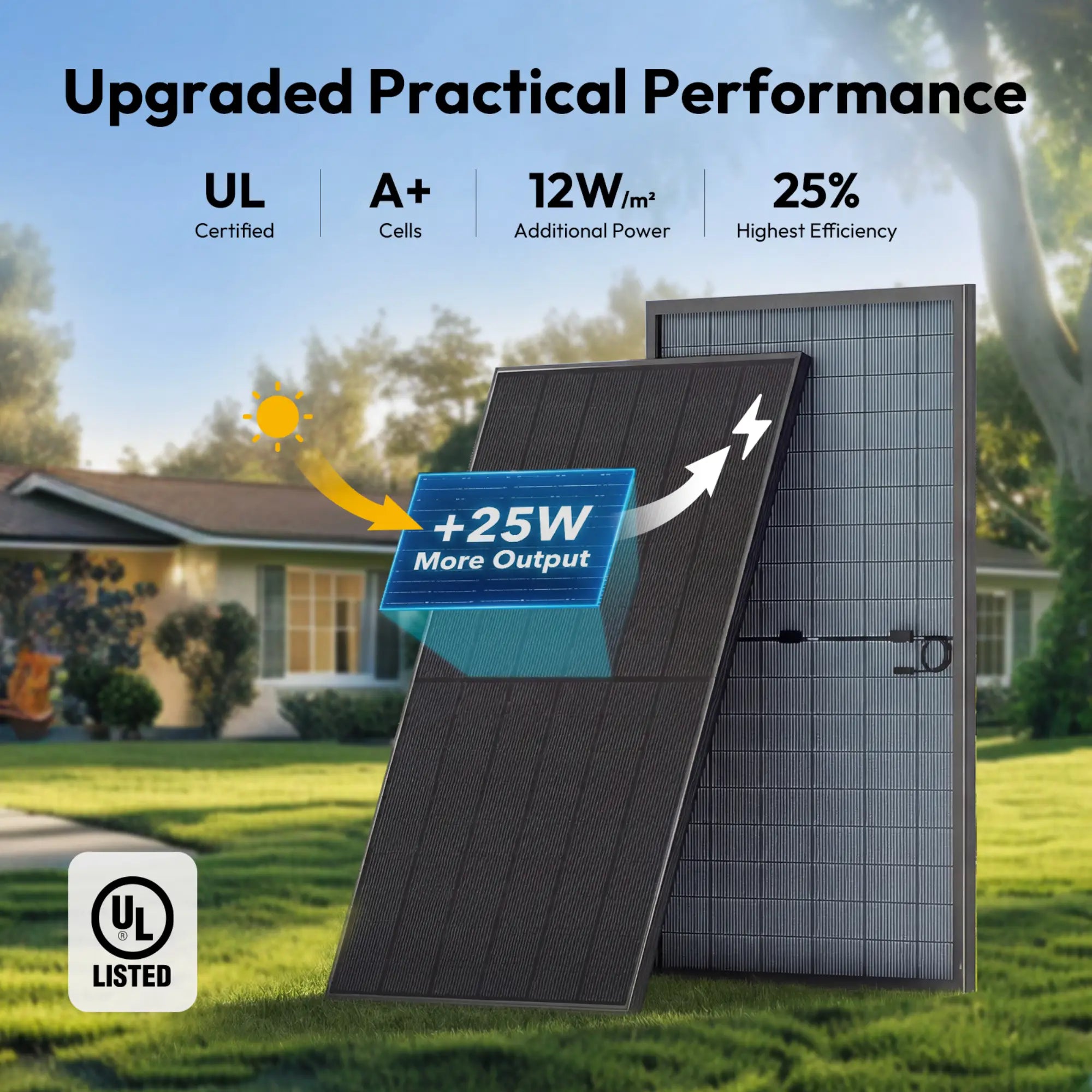
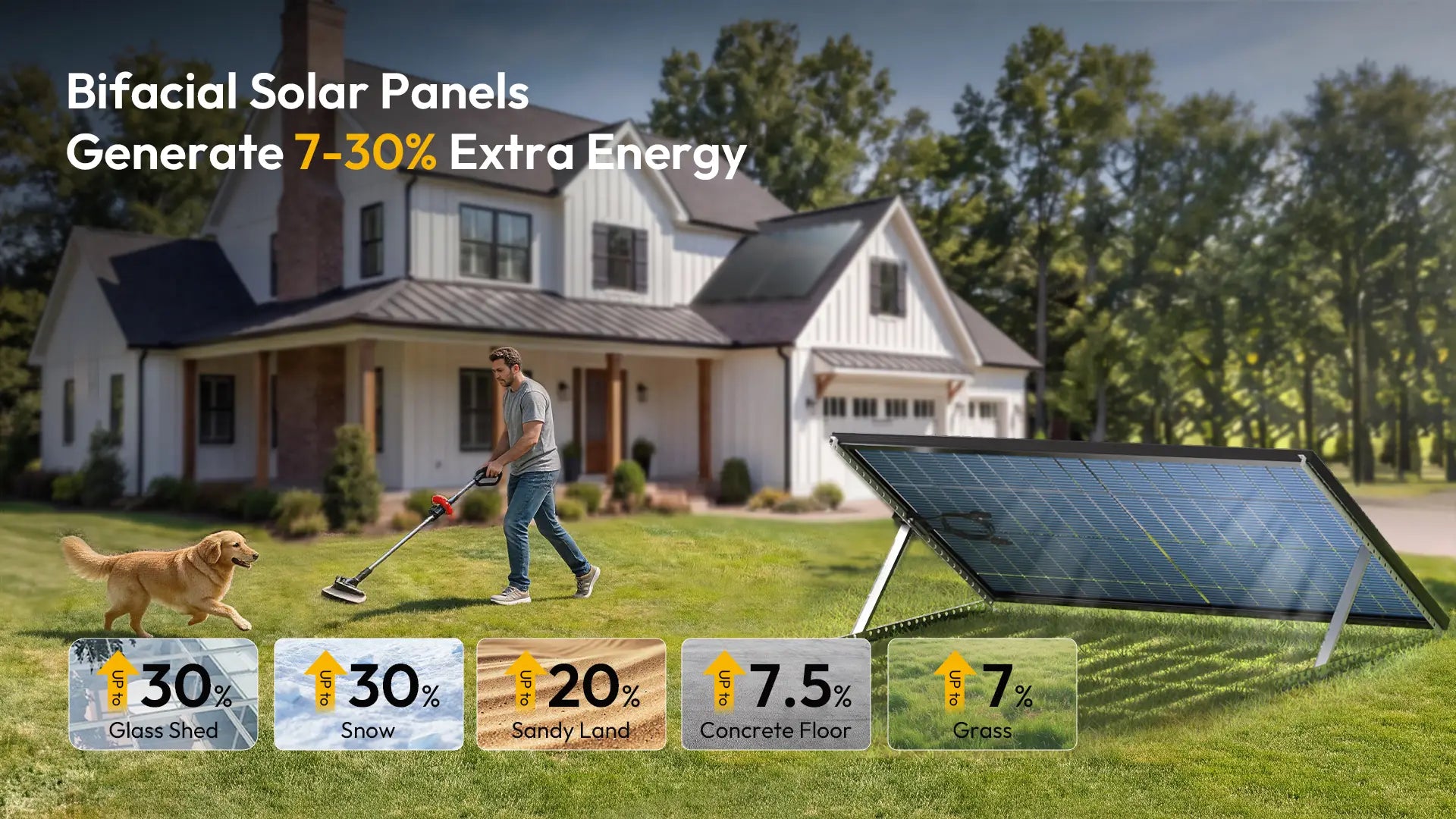
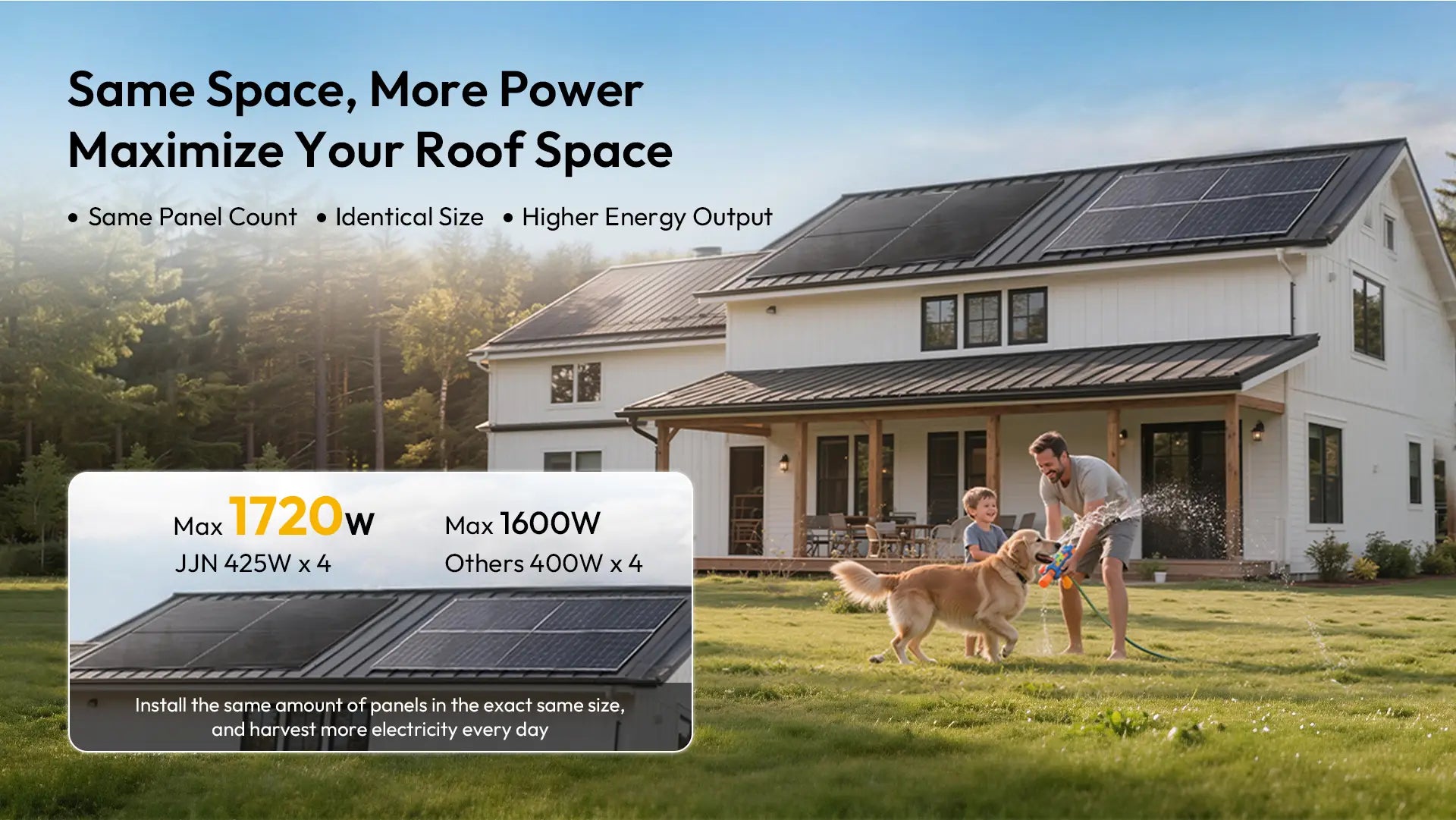
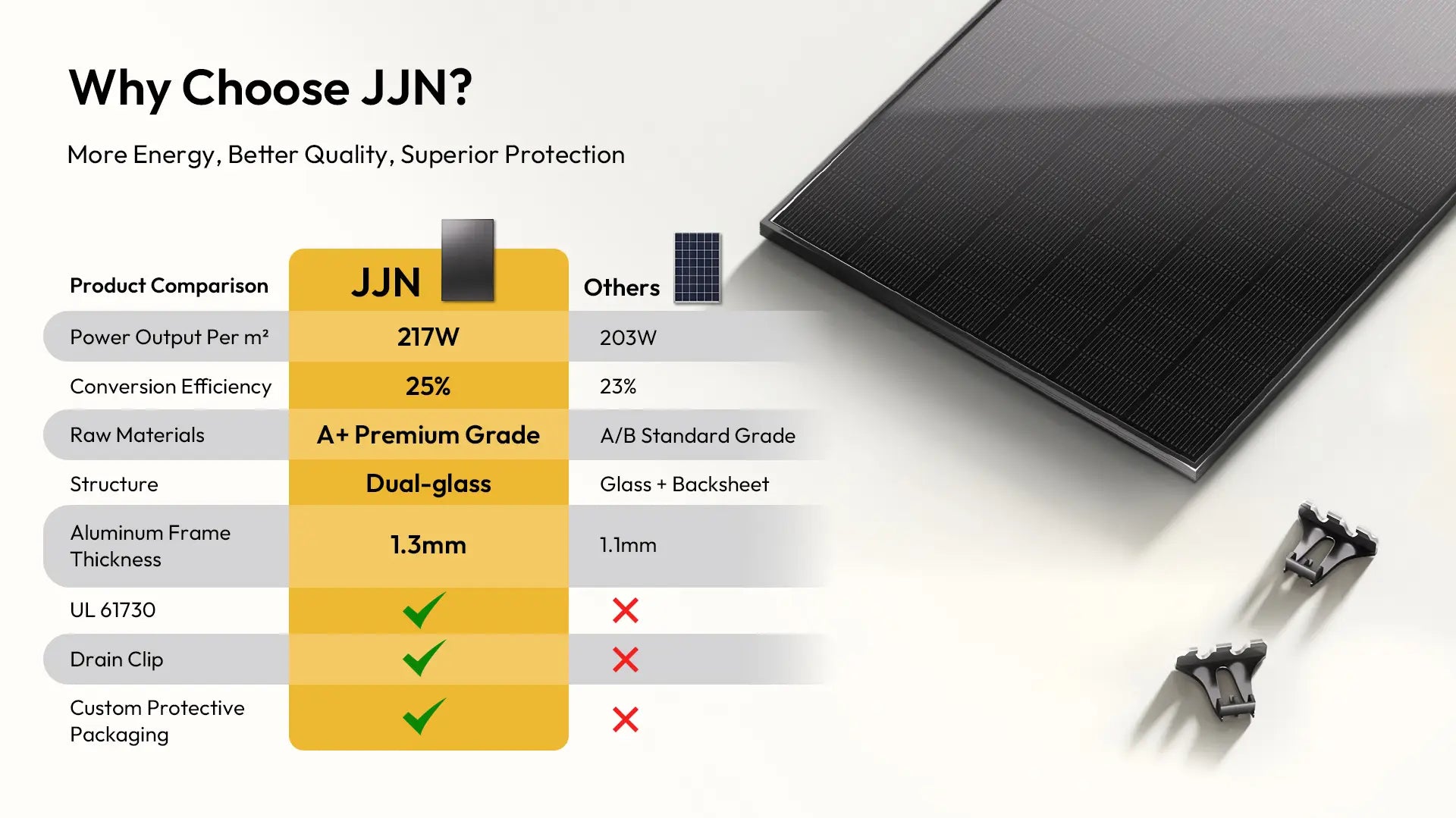
-Up to 25%-26% Higher Energy Output, Bifacial Energy Boost
-Advanced 16BB N-Type Cell Technology, Grade A+ Cells
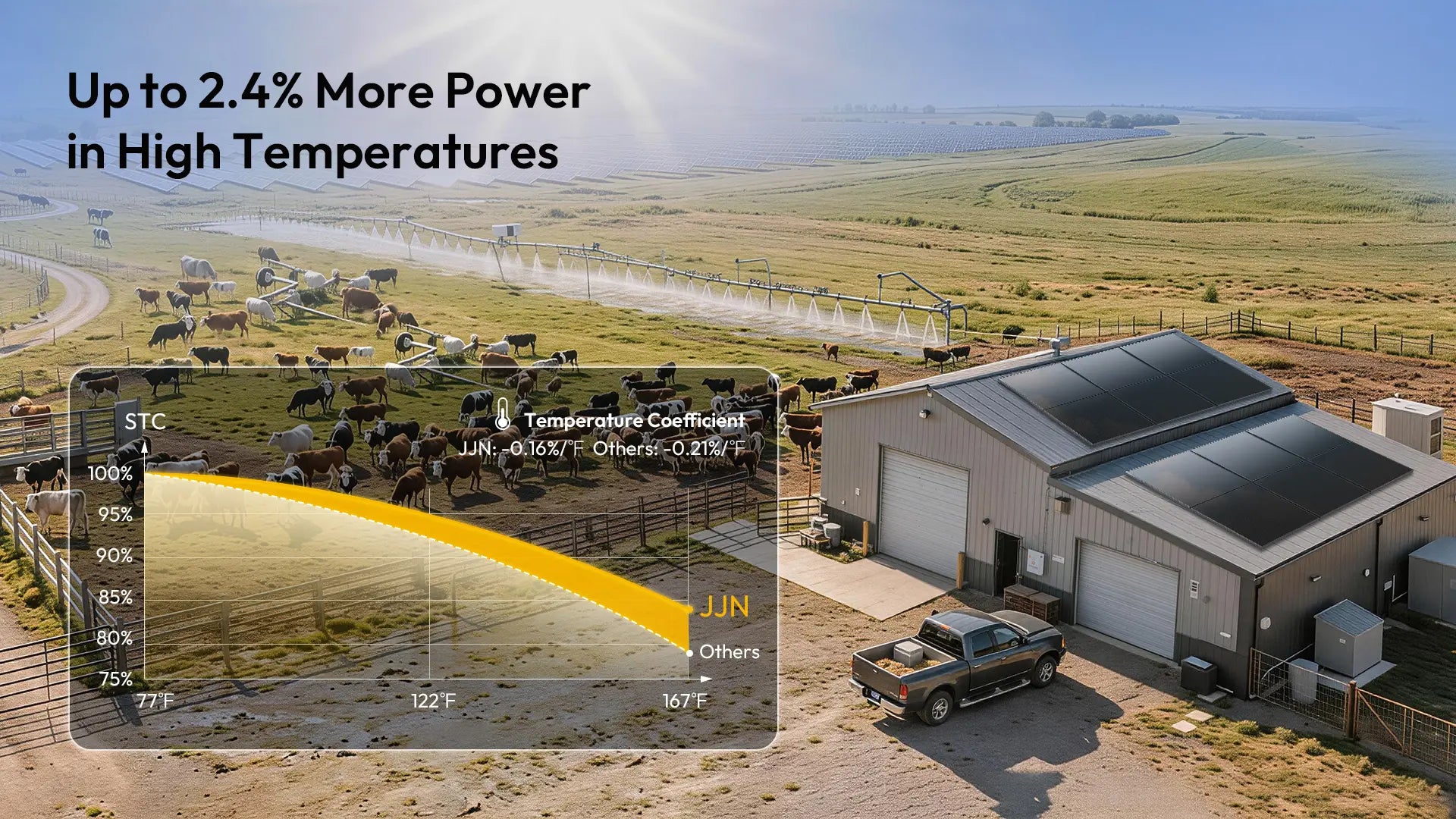
-Superior High-Temperature Performance for Stable Output in Hot Climates
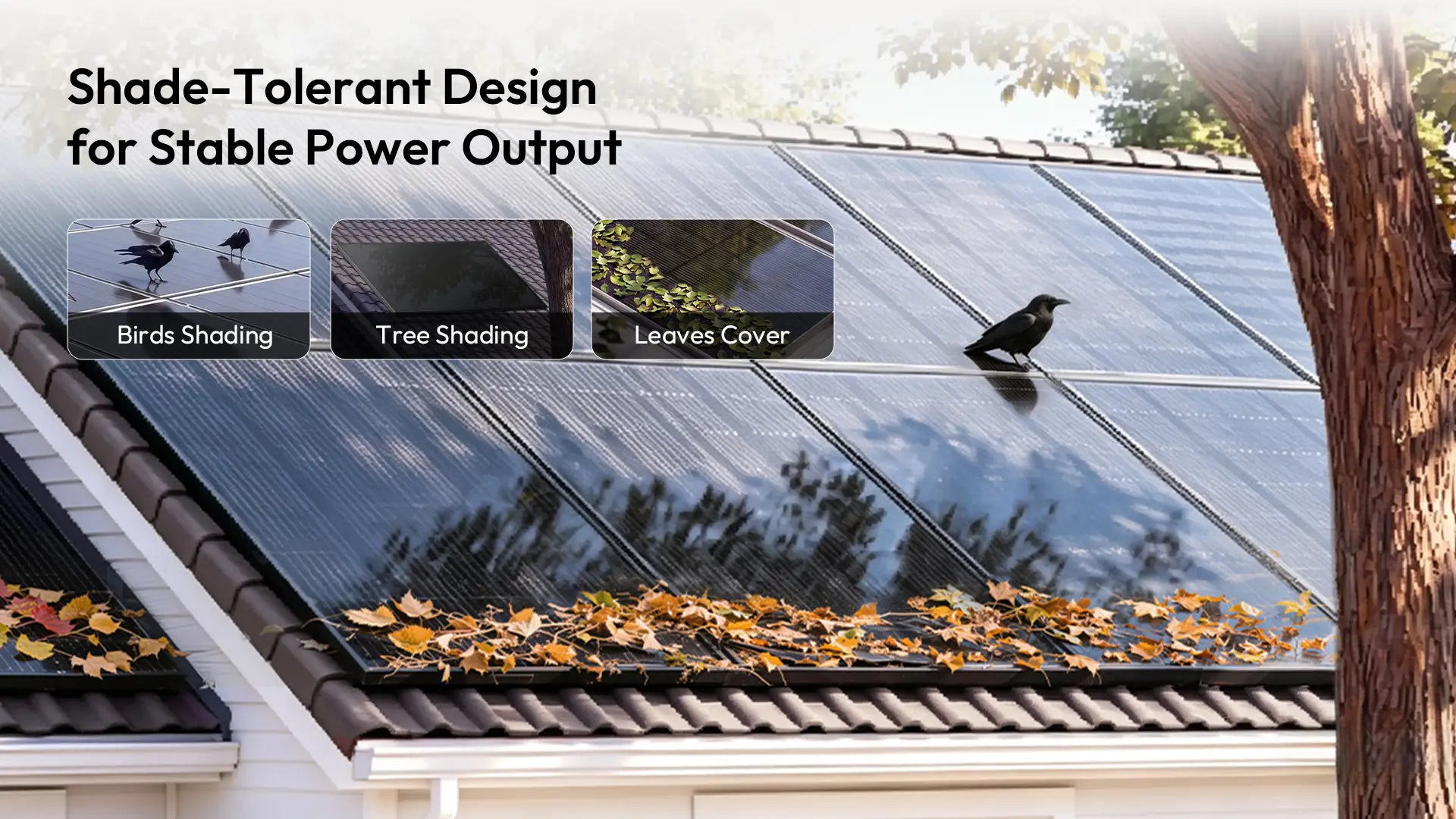
-Innovative Anti-Shading Design for Better Energy Harvest Even Under Partial Shading
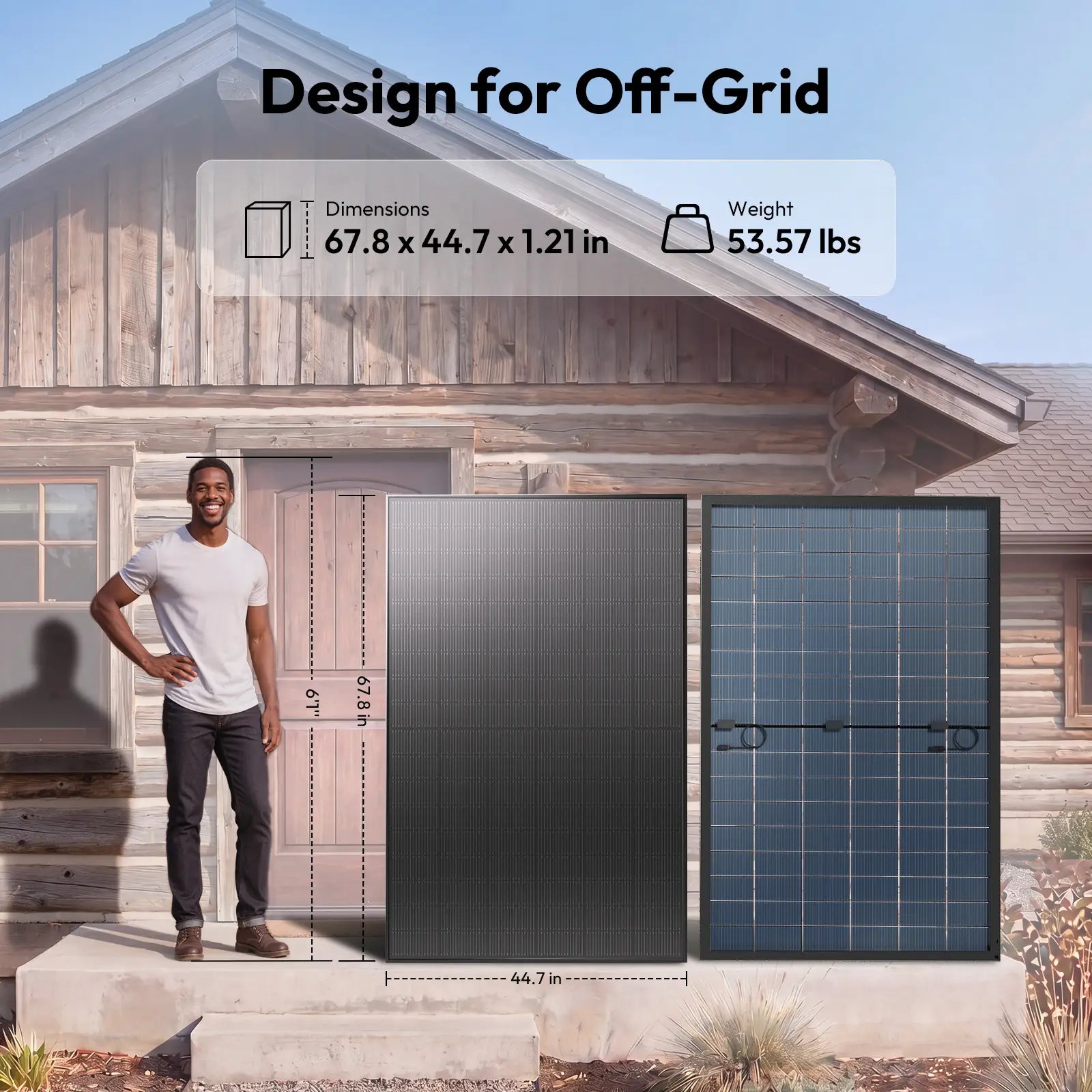
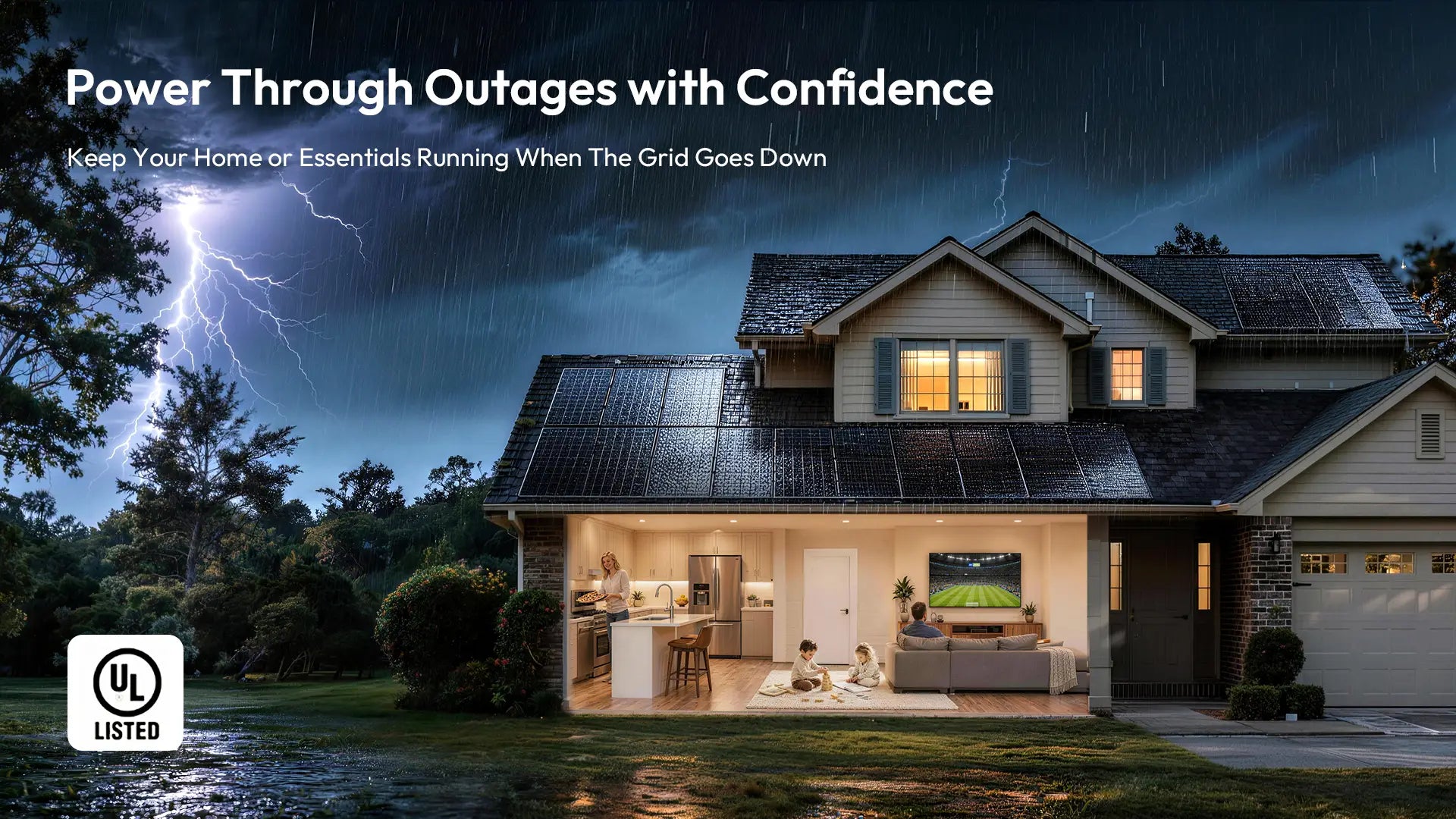
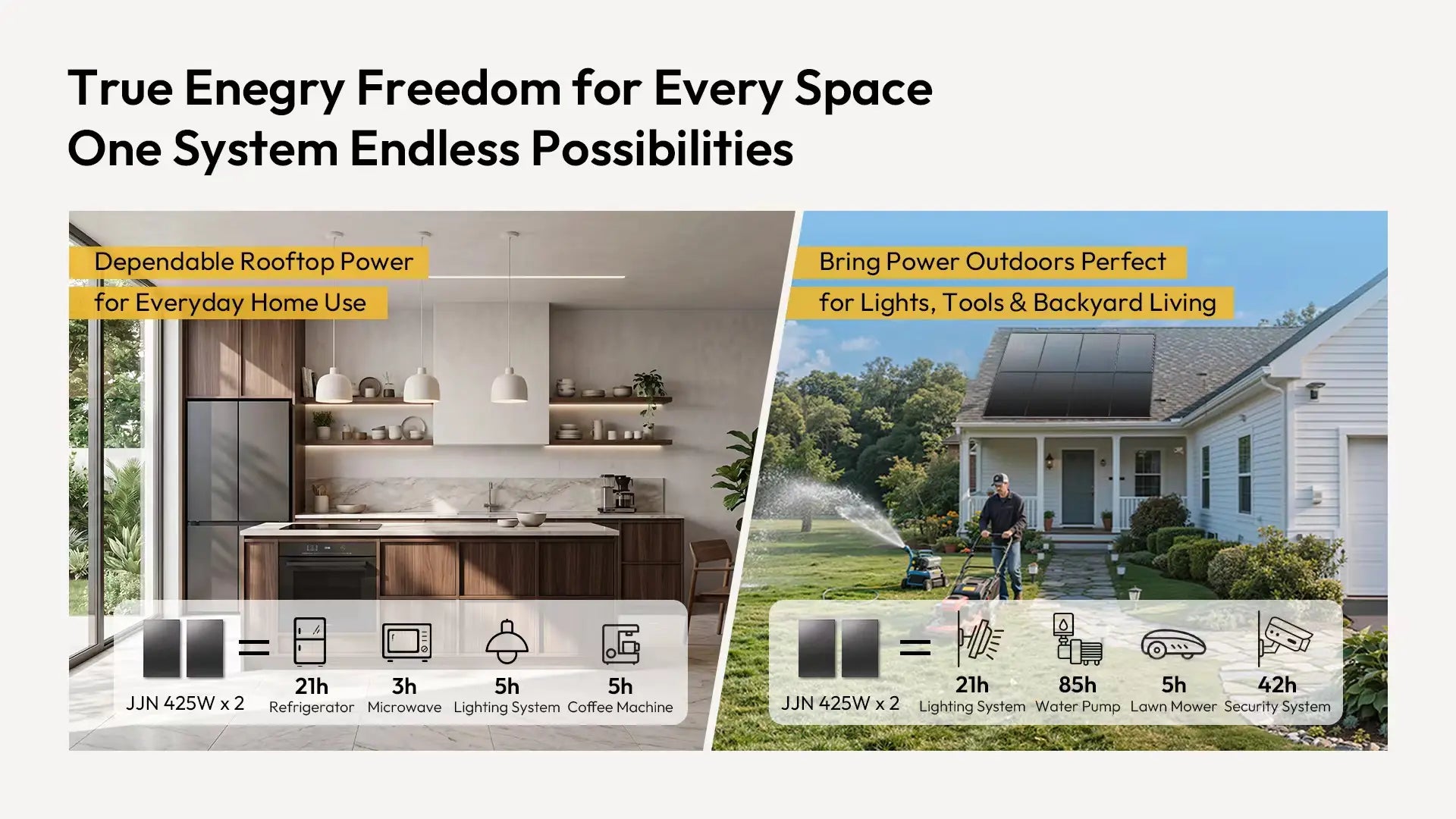
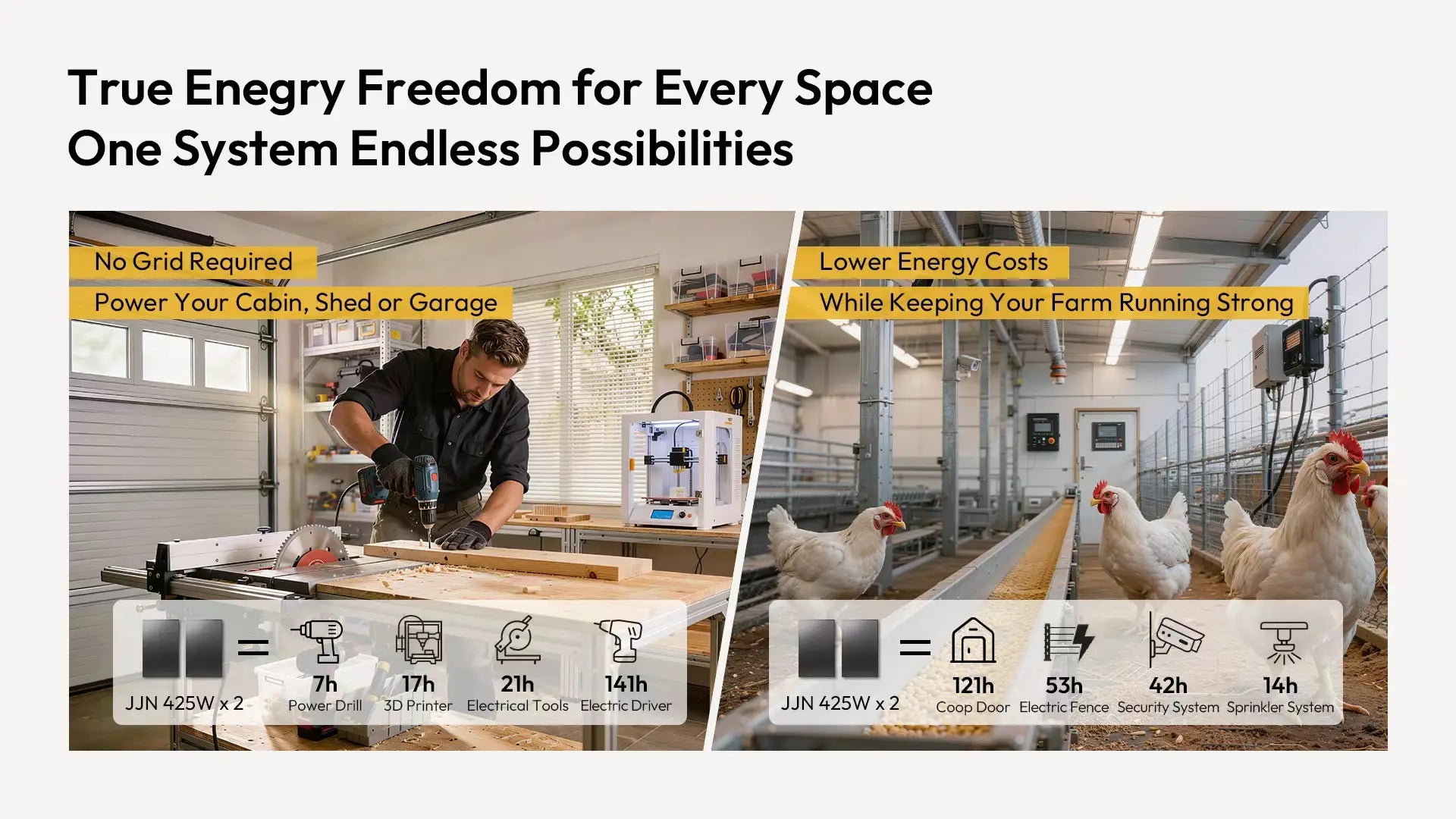
-Ideal for On-Grid & Off-Grid Applications – Perfect for homes, farms, cabins, shelters, container setups, and solar power stations
-Built for Extreme Conditions – Reinforced anodized aluminum frame and thicker tempered glass deliver exceptional durability in any environment
-Rugged Construction: IP68 Waterproof & Outdoor Ready
-Fast & Easy Installation,UL61730-certified
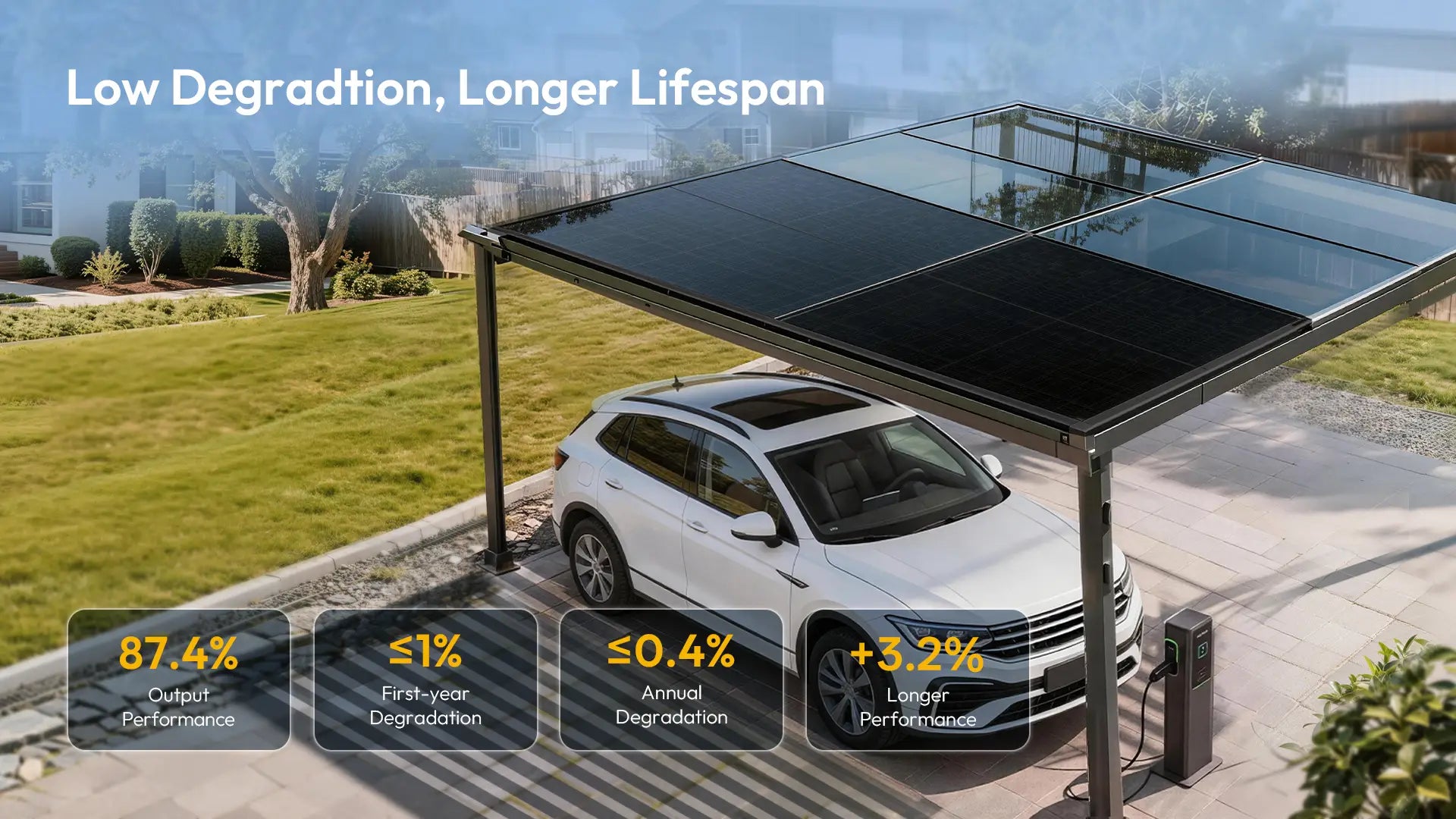
-30-Year Performance Warranty for long-term reliability and peace of mind
Bronze Members get an instant $129 discount, Silver Members get an instant $149 discount, and Gold Members get an instant $169 discount.
Payment Methods

Delivery Methods


425W N-type Bifacial Solar Panels 4Pcs
If you have any questions, you are always welcome to contact us. We'll get back to you as soon as possible, within 24 hours on weekdays.

Technical Specifications
POWER
| Power | 425W |
|---|---|
| Cell Type | Monocrystalline Silicon |
| Efficiency | 25+% |
| Open Circuit Voltage | 38.59V |
| Short Circuit Current | 13.81A |
| Optimum Operating Voltage | 32.15V |
| Optimum Operating Current | 13.22A |
| Maximum Series Fuse Rating | 30A |
| Maximum System Voltage | 1500V |
GENERAL
| Weight | 53.57lbs |
|---|---|
| Dimensions | 67.8x44.7x1.2inch |
| Connector | MC4 |
| Operating Temperature | -40°C to 85°C |
| Certifications | UL,FCC, CE, RoHS, IOS |
| Material and Workmanship Warranty | 5 Years |
| Performance Warranty | 30 Years 87.4% Output Warranty |
FAQs
Need more detailed guidance beyond this page? Our full FAQ covers setup, compatibility, and troubleshooting—click below to learn more.
What are 16BB solar panels?
16BB solar panels use 16 busbars to collect and conduct electricity, resulting in higher efficiency, better performance, and reduced power loss compared to panels with fewer busbars. The increased number of busbars helps to minimize resistance and enhance the panel's durability and energy output.
How do N-type solar panels work?
N-type solar panels use a thin tunnel oxide layer and passivated contacts on n-type silicon wafers to reduce electron recombination, leading to higher efficiency and better performance in low-light conditions. This design enhances energy conversion and durability compared to traditional panels.
Is JJN 400w solar panel for a 12V or 24V system?
JJN 400w solar panel features a open-circuit voltage (37V) and is compatible with both 12V and 24v battery systems.
if you expect long-duration partial shading (e.g., trees, debris, roof racks, or boat masts that frequently cast shadows), a 12V system generally provides greater stability and more reliable charging performance under these non-ideal lighting conditions.
Note:
This recommendation applies only when using a single panel. System behavior under series or parallel configurations is not included in this discussion, as multi-panel setups introduce different electrical characteristics.
What kind of charge controller do I need for the jjn solar panels?
We strongly recommend using an MPPT charge controller for the best performance and compatibility.
MPPT controllers are far more efficient and make full use of your panel’s voltage—even under weak or changing sunlight. Some third-party PWM controllers may not work properly, so MPPT is the safer choice.
Why is the measured power output often lower than the rated power for solar panels?
To provide our users with a superior product experience, our rated power is actually higher than 400W. We utilize Grade A+ cells, ensuring our products deliver an actual power output exceeding 400W.
Rated power is based on ideal lab conditions (1000W/m² sunlight, 25°C, no shading). In real use, factors like sunlight angle, temperature, shading, dust, and cable loss often reduce actual output.
Can this panel be used with different solar generators or battery systems?
Yes, the 400W solar panel is compatible with most popular solar generators and battery systems. It comes equipped with MC4 connectors, making it easy to integrate with a wide range of solar power setups.
Can the solar panels be connected in series or parallel?
Yes, they support series (↑voltage) or parallel (↑current) connection via solar connectors. Use same brand/model panels for best results.
Do solar panels require maintenance?
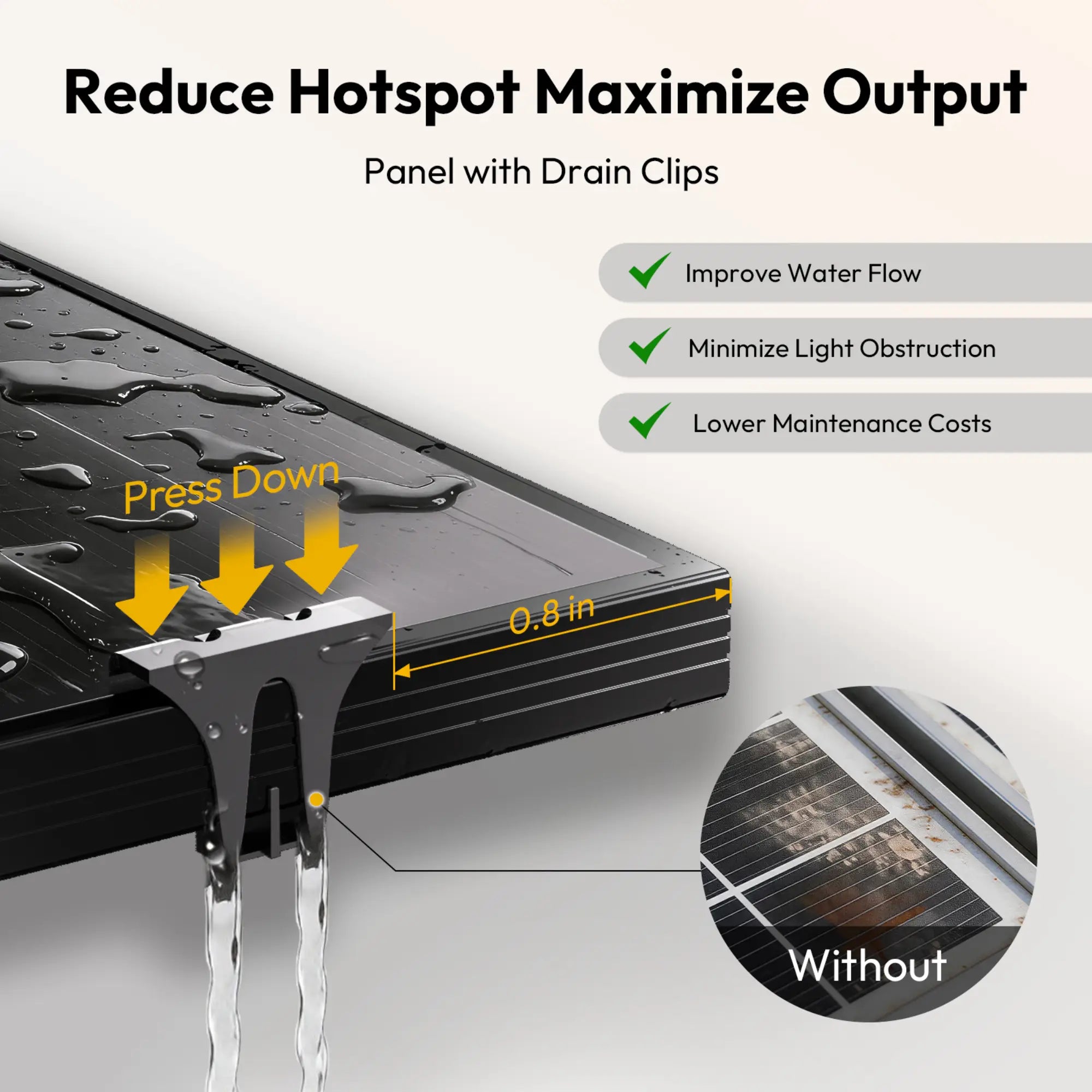
Yes, solar panels require maintenance. Dirt and stains can reduce sunlight conversion efficiency. Regularly clean the solar panels by gently wiping them with a damp cloth. Do not use corrosive liquids to clean the solar panels.
What does off-grid and on-grid mean ?
On-grid simply means solar power equipment (array or solar panel) is connected to the electrical grid, while off-grid refers to systems that are not connected to the grid and therefore store the generated power for later use.
How many solar panels do I need ?
To determine solar panel needs, calculate the power load (Watts) and capacity (Watt-hours). Size the battery bank based on minimum capacity, then adjust panel quantity or power input accordingly.