What Happened — A Nationwide Winter Storm Event
On January 25, 2026, a powerful winter system—widely referred to by U.S. media as Winter Storm Fern—swept across large parts of the United States, bringing heavy snow, freezing rain, ice accumulation, and extreme cold from the South through the Midwest and into the Northeast.
According to Reuters, the storm placed more than 100 million Americans under winter weather warnings, making it one of the most widespread winter events of the season.
Source: Reuters, Jan 24–25, 2026
The Washington Post and The Guardian reported that the storm disrupted daily life across dozens of states, triggering power failures, transportation shutdowns, and emergency declarations at both state and local levels.
Sources: Washington Post; The Guardian
States and Regions Most Affected
Based on consolidated reporting from Reuters, Washington Post, and U.S. local news outlets:
Southern & Central States (Ice + Power Grid Damage)
Tennessee – Over 300,000 customers without power
Mississippi & Louisiana – Ice storms caused widespread line failures
Texas & Kentucky – Freezing rain and snow led to road closures and outages
Sources: Reuters; Washington Post; local utility reports
Midwest & Northeast (Heavy Snow + Extreme Cold)
Midwest & Ohio Valley – Snow accumulation and sub-zero wind chills
Northeast (NY, PA, New England) – 12–18+ inches of snow in some areas
Washington, D.C. region – Emergency declarations and transit disruptions
Sources: The Guardian; National Weather Service (NWS); Reuters
Measured Impact — Verified Data
| Impact Category | Official Figures |
|---|---|
| Power Outages | 1,000,000+ households nationwide |
| Flights Canceled | 10,000+ flights |
| Population Under Warnings | 100–200 million people |
| Snowfall (Peak Areas) | Up to 18 inches (45 cm) |
| Emergency Declarations | Multiple states + Washington, D.C. |
Sources: Reuters; Washington Post; FAA; National Weather Service
Government & Community Response
1. Multiple states declared states of emergency, enabling rapid deployment of resources
2. FEMA coordinated with local governments for sheltering and recovery
3. Cities opened warming centers for residents without electricity
4. Utility crews worked continuously to restore damaged infrastructure
The National Weather Service (NWS) urged residents to:
1. Avoid non-essential travel
2. Prepare emergency supplies
3. Monitor official alerts closely
Sources: NWS; Reuters; state government statements
What This Storm Reveals About Energy Resilience
One of the most critical lessons from the January 2026 winter storm is clear:
Power outages are no longer rare or short-term events.
Ice accumulation, high winds, and extreme cold place enormous stress on centralized power grids—especially during winter, when electricity is essential for heating, communication, and safety.
For many families, days without power meant:
1. No heating systems
2. Food spoilage
3. Loss of communication and internet access
How Homeowners Can Prepare for Future Winter Storms
Essential Emergency Readiness
1. Non-perishable food and clean water (3–5 days minimum)
2. Backup lighting and batteries
3. Warm clothing and blankets
4. Charged communication devices
Reliable Backup Power — Beyond Gas Generators
Traditional generators rely on fuel supply chains that may fail during extreme weather. A solar + battery energy system provides a cleaner, quieter, and more reliable alternative.
How JJN Solar Supports Home Energy Security
At JJN Solar, we design complete residential solar solutions to help families stay powered—even when the grid goes down.
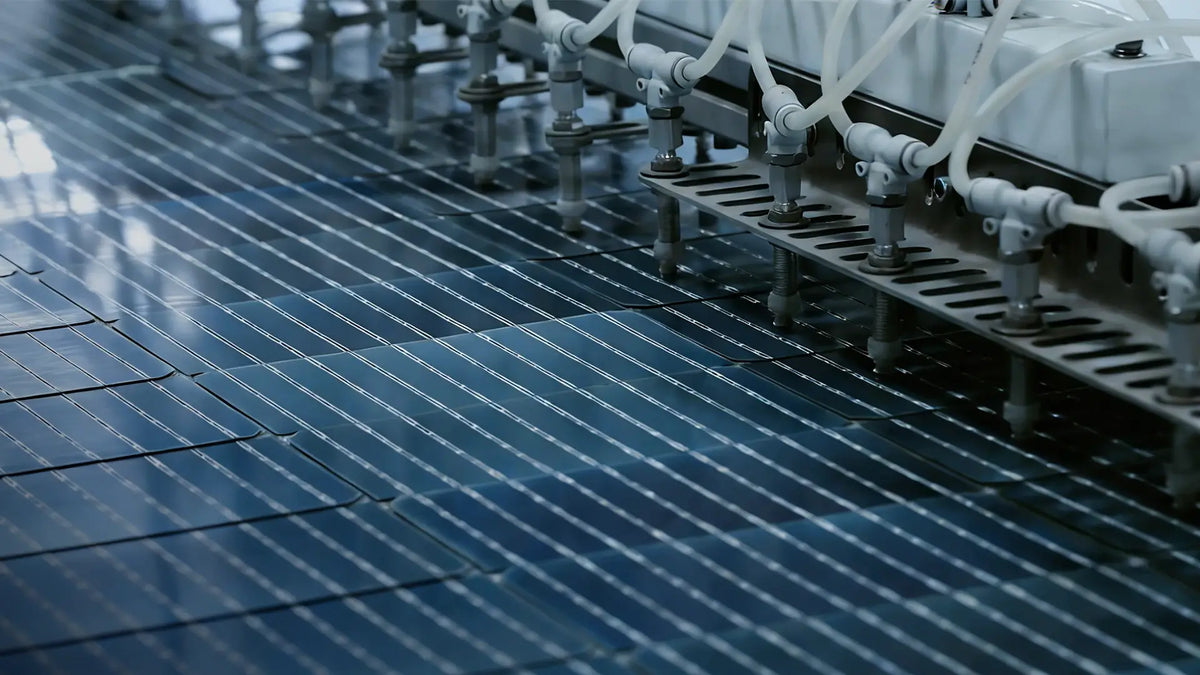
High-Performance Solar Panels for U.S. Homes
400W Bifacial N-Type Solar Panels
Optimized for residential rooftops
Higher efficiency and lower degradation
Reliable performance in cold and low-light conditions
550W Bifacial Solar Panels
Ideal for homeowners seeking maximum output
Excellent for ground-mount or large roof systems
Increased energy yield from reflected light (snow included)
When paired with energy storage, these systems can:
1. Power essential household loads during outages
2. Reduce long-term electricity costs
3. Increase independence from the grid
Looking Ahead — Building a More Resilient Future
The January 2026 winter storm is a reminder that climate extremes are becoming more frequent, not less. Preparing today—through smarter energy choices and resilient infrastructure—helps protect families tomorrow.
Reliable energy is not a luxury. It’s a necessity.
At JJN Solar, we are committed to helping U.S. homeowners build clean, resilient, and future-ready energy systems—for winter storms, summer heatwaves, and everything in between.
You might be more interested in learning about:
How to Stay Warm and Safe During Winter Power Outages