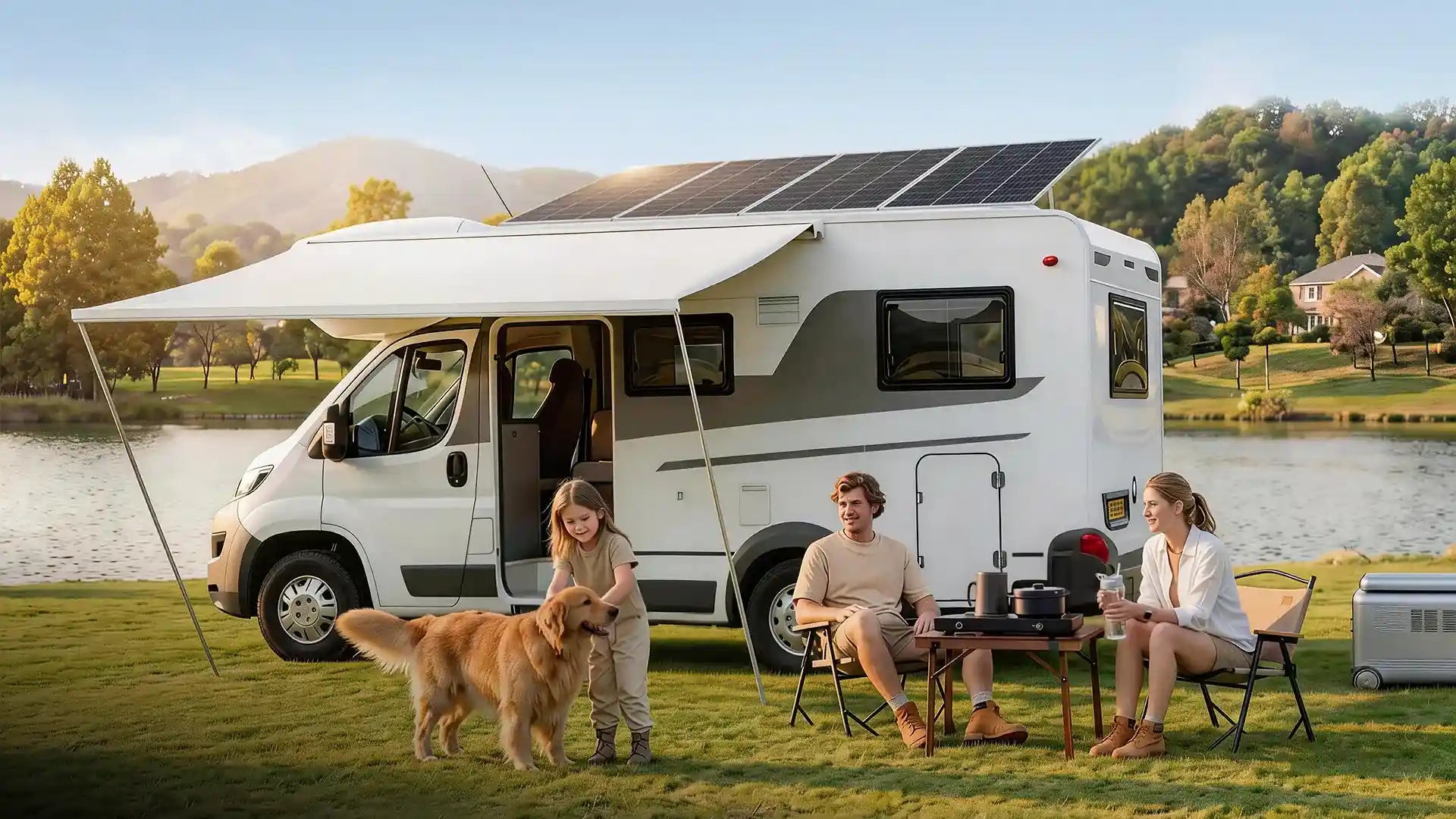

Camping in North America has changed dramatically over the last decade. Modern campers are no longer bringing only sleeping bags and lanterns — many now travel with portable refrigerators, coffee makers, fans, lighting systems, phones, cameras, and even remote work equipment.
At the same time, both national park camping and state park camping are placing greater emphasis on:
Quiet environments
Limited generator usage
Low-impact camping
Sustainable outdoor power
That is why more campers are turning to camping solar setup solutions instead of traditional gas generators.
A well-designed solar setup provides:
Quiet camping power
Reliable charging
Better comfort during hot weather
Cleaner energy for extended outdoor trips
This guide explains how to choose the best solar setup for different camping styles, what appliances you can realistically power, and how to avoid common campground power problems.
Why Solar Power Is Becoming Popular for Camping
Traditional generators still work, but they come with several disadvantages in campgrounds:
Noise
Fuel storage
Exhaust fumes
Generator hour restrictions
Maintenance requirements
In many North American parks, generator use is restricted to limited daytime windows, often something like:
8 AM – 10 AM
4 PM – 7 PM
Some campgrounds prohibit generators entirely in tent areas or quiet loops.
Solar power solves many of these problems by offering:
Silent operation
No fuel dependency
Minimal maintenance
Better compatibility with quiet camping rules
For campers who value nature, solar is often the better fit for quiet camping power.
Understand Your Camping Style Before Choosing Solar
Not every camper needs the same system.
The best state park solar setup depends heavily on:
Camping style
Vehicle type
Appliance usage
Trip length
Weather conditions
| Setup Type | Typical Equipment Includes | Recommended Solar Setup | This Setup is Ideal for |
| Tent campers usually prioritize: Lightweight gear, Portability, Simple charging needs | Phones Lanterns Fans Small air pumps Cameras Heated blankets in colder months |
Portable power station Foldable solar panel |
Weekend camping National park tent sites Remote campsites without hookups |
| Rooftop tent campers often stay mobile and travel between locations frequently. |
Fridge/freezer operation Device charging Camp lighting Fans Drone batteries Coffee makers |
Portable battery system Vehicle-mounted rigid solar panel Optional portable folding panel for shade adjustment |
Overlanding Backcountry camping Multi-day off-grid travel |
| RV camping requires significantly more energy than tent camping. | Refrigerators Water pumps Vent fans Indoor lighting Microwave use Coffee machines TVs CPAP machines Laptop charging Small air conditioners |
Battery bank 2kWh–5kWh Solar panels 400W–800W Inverter 1000W–2000W |
Weekend trips State park camping Boondocking for several days |
Campground Rules You Should Know Before Using Solar
One major advantage of solar is compatibility with campground regulations.
Still, campers should understand several practical limitations.
Quiet Hours and Generator Restrictions
Most national and state parks enforce:
Quiet hours
Generator restrictions
Noise limits
Solar systems avoid these issues because they operate silently.
This makes solar especially useful for:
Early morning coffee
Overnight CPAP use
Late-night lighting
Charging devices without disturbing neighbors
Shade Problems in National Parks
One challenge with national park camping power is tree cover.
Many scenic campsites are intentionally shaded:
Forest campgrounds
Mountain parks
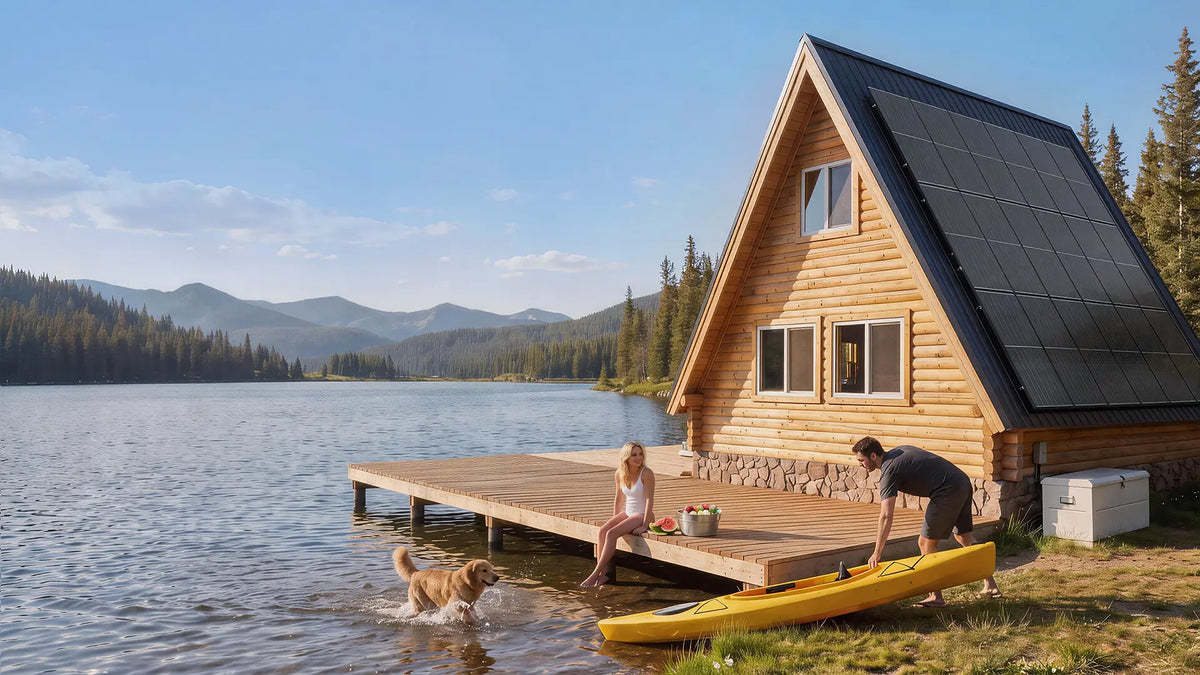
Lakeside campsites
Heavy shade reduces solar efficiency significantly.
Common Solutions
Anti-shading Panels
Mixed Charging Strategies
Many campers combine:
Solar charging
Vehicle alternator charging
Battery storage
This improves reliability during cloudy weather or shaded camping.
Foldable Solar Panels vs Rigid Solar Panels vs Battery Packs
Choosing the right equipment matters more than simply buying the biggest system.
| Product | Advantages | Disadvantages | Best For |
| Foldable Solar Panels | Portable Lightweight Easy to reposition Better for shaded campgrounds |
Require daily setup More vulnerable to damage Lower long-term durability |
Tent camping Weekend trips Flexible campsite positioning |
| Rigid Solar Panels | Durable Weather-resistant Permanent installation Better for continuous charging |
Fixed angle Cannot easily avoid shade Heavier installation |
RV camping Camping trailers Rooftop tent vehicles |
| Portable Battery Power Stations | Silent operation Plug-and-play simplicity No wiring knowledge required |
Limited capacity Higher cost per watt-hour |
Beginners Short trips Portable camping systems Nighttime use Cloudy conditions Peak appliance demand |
What Can a Camping Solar Setup Realistically Power?
A common mistake is expecting small solar systems to run every appliance continuously.
In real-world camping, solar works best for:
Essential comfort loads
Refrigeration
Lighting
Electronics
Moderate cooking support
| Setup Example |
Suitable For |
System Example |
Can Power |
| Basic Camping Solar | Tent campers Weekend travelers Minimalist camping |
500Wh battery 100W foldable solar panel |
Phones Multiple full charges LED lanterns Entire weekend Small fan 6–12 hours Camera batteries Multiple charges Electric air pump Occasional use |
| Mid-Size Camping Trailer | Couples Family camping 2–5 day trips |
2kWh battery 400W solar array |
Portable fridge Full-time Coffee maker Daily use Vent fan Several hours Lighting Full evening Laptop charging Daily Small TV Limited use |
| High-Power RV Camping | Long off-grid stays RV living Extended road trips |
5kWh–15kWh battery bank 800W–2000W solar array |
Larger refrigerators Water pumps Entertainment systems Extended appliance usage Limited AC operation in good sunlight |
Essential Camping Gear That Pairs Well With Solar
Modern camping comfort often combines solar power with efficient equipment.
Popular camping trends include:
Portable showers
Electric coolers
Inflatable mattresses
LED lantern systems
Portable fans
Hammock campsites
Outdoor cooking setups
Portable grills
Folding tables
Energy-efficient gear dramatically improves solar runtime.
For example:
12V fridge coolers use far less energy than ice-based electric coolers
LED lanterns consume minimal power
DC fans are far more solar-friendly than household AC fans
Tips for Building a Better Camping Solar Setup
Prioritize Efficiency Over Raw Power
Efficient appliances reduce:
Battery size requirements
Solar panel requirements
Charging time
Plan Around Weather Conditions
Cloudy days can reduce solar production substantially.
Always account for:
Battery reserve capacity
Backup charging options
Seasonal sunlight changes
Use Solar During Daylight Hours
High-power devices like:
Coffee makers
Electric kettles
Cooking appliances
are best used while solar panels are actively generating power.
Consider Portable + Roof Solar Combination Systems
Many experienced RV camping travelers combine:
Roof-mounted rigid panels
Portable foldable panels
This allows:
Better charging flexibility
Improved performance in shaded campgrounds
Final Thoughts
The best solar setup for national park camping and state park camping depends less on buying the largest system and more on matching power equipment to realistic outdoor needs.
For most campers, solar works best as:
Quiet camping power
Reliable charging support
Refrigerator and lighting backup
A cleaner alternative to generators
Whether you are:
Tent camping in a forest campground
Traveling with a rooftop tent
Exploring remote areas in a camping trailer
Living part-time in an RV
a properly planned camping solar setup can improve comfort, reduce generator dependence, and make off-grid travel significantly easier.